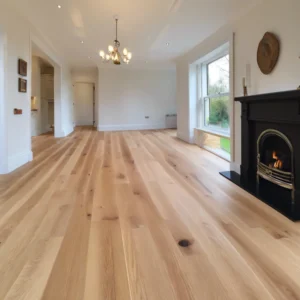



If you’re looking at hardwood flooring, the two things that matter most are the material and how it’s installed.
At Amazing Hardwood Floors, this is what we do every day. We install, sand, and refinish hardwood floors for homes and businesses in Bolton and across Connecticut. Whether you’re starting from scratch or working with existing floors, we’ll help you choose the right approach and make sure it’s done properly.
Hardwood is one of the most durable and long-lasting flooring options you can choose.
It works well for:
If you want something that holds up over time and can be refinished instead of replaced, hardwood is usually the better option.
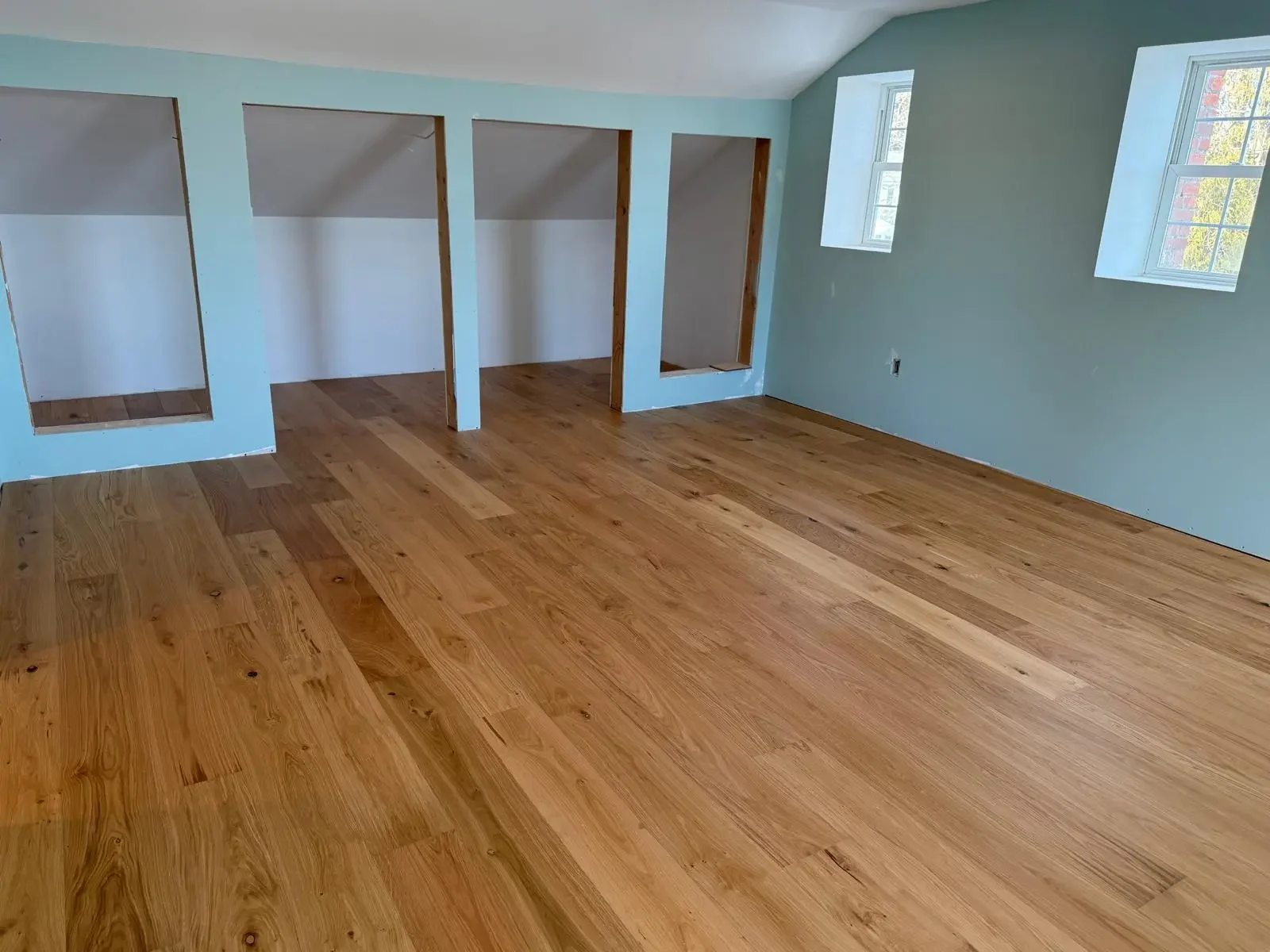
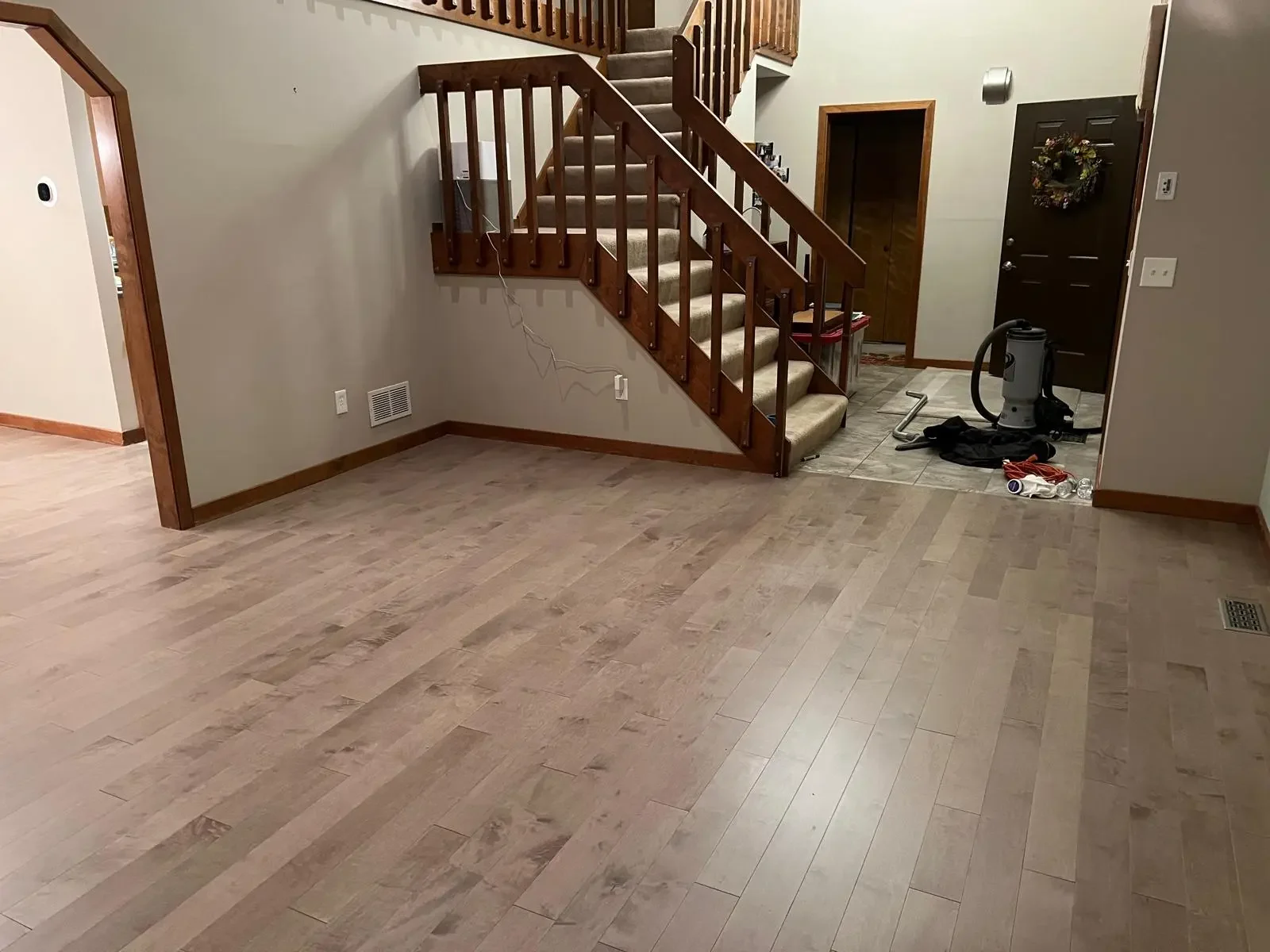
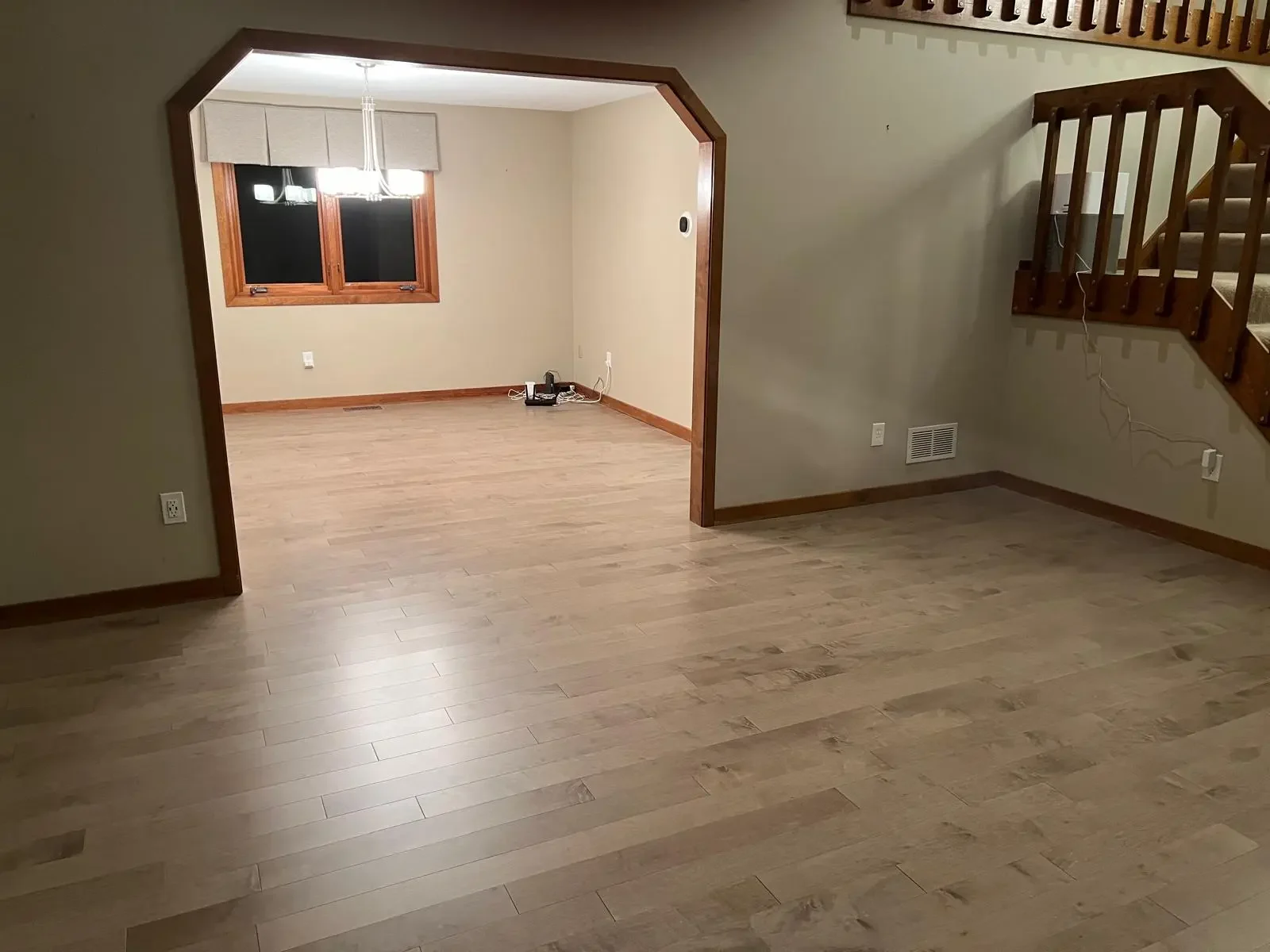
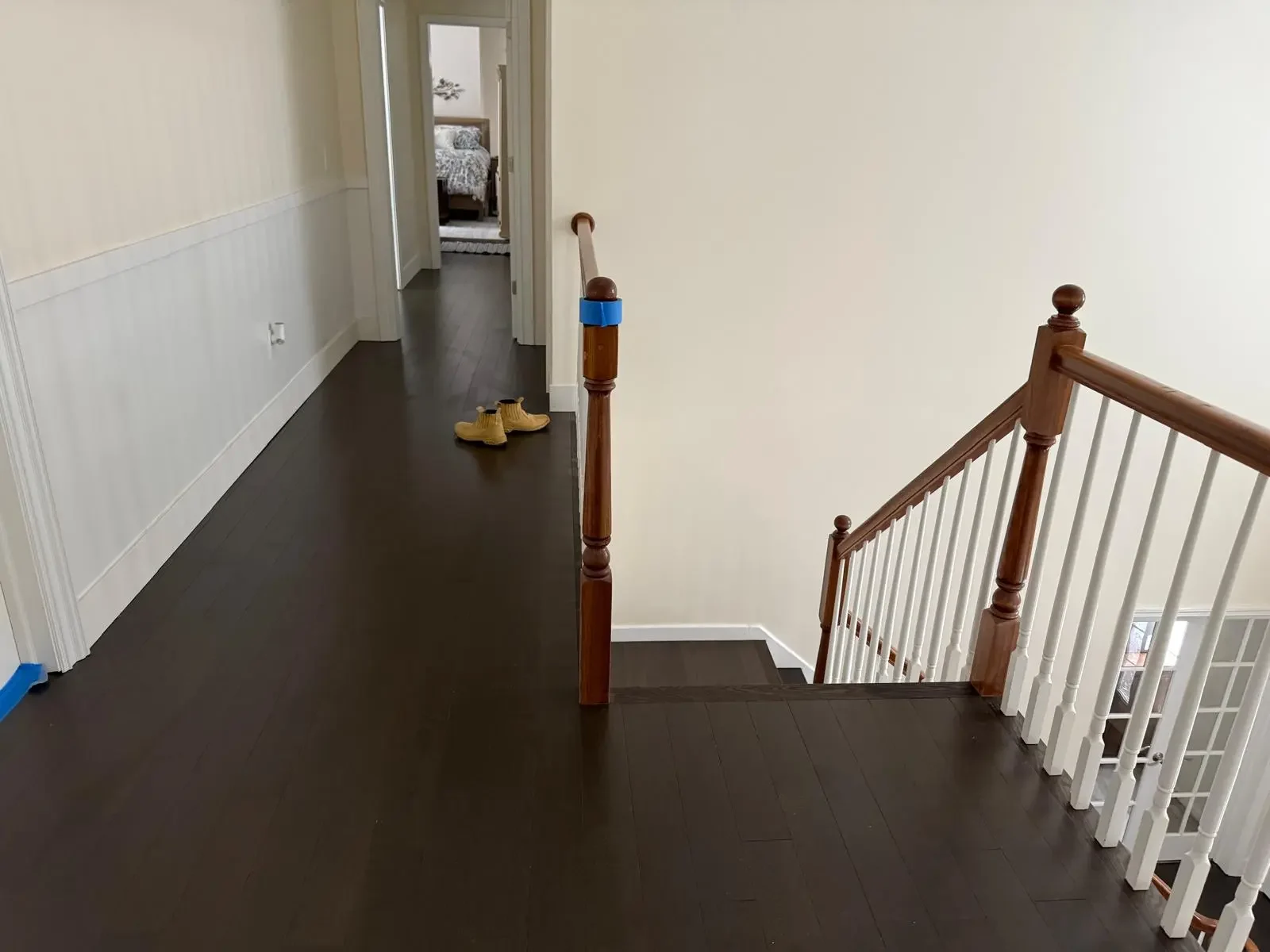
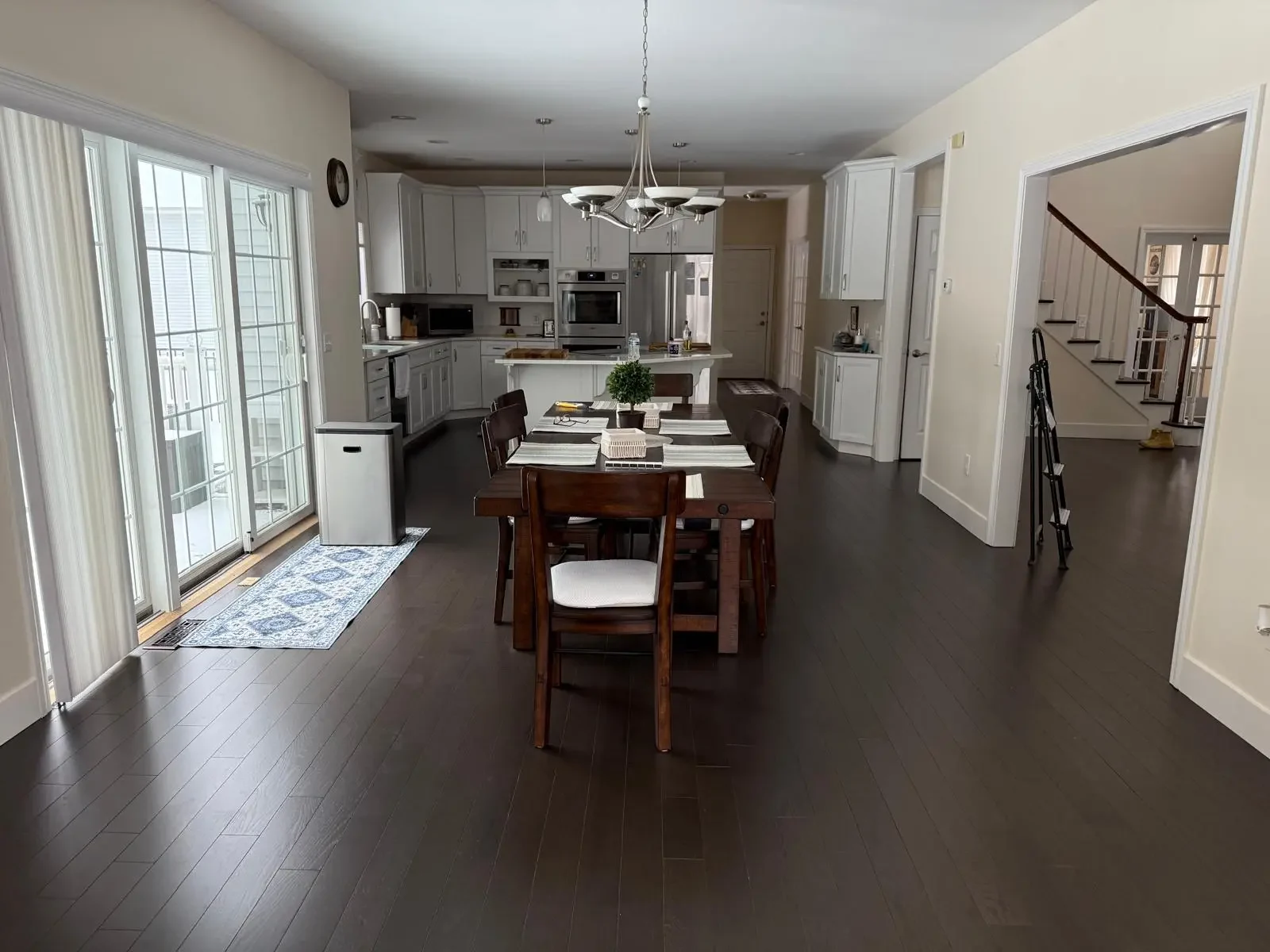
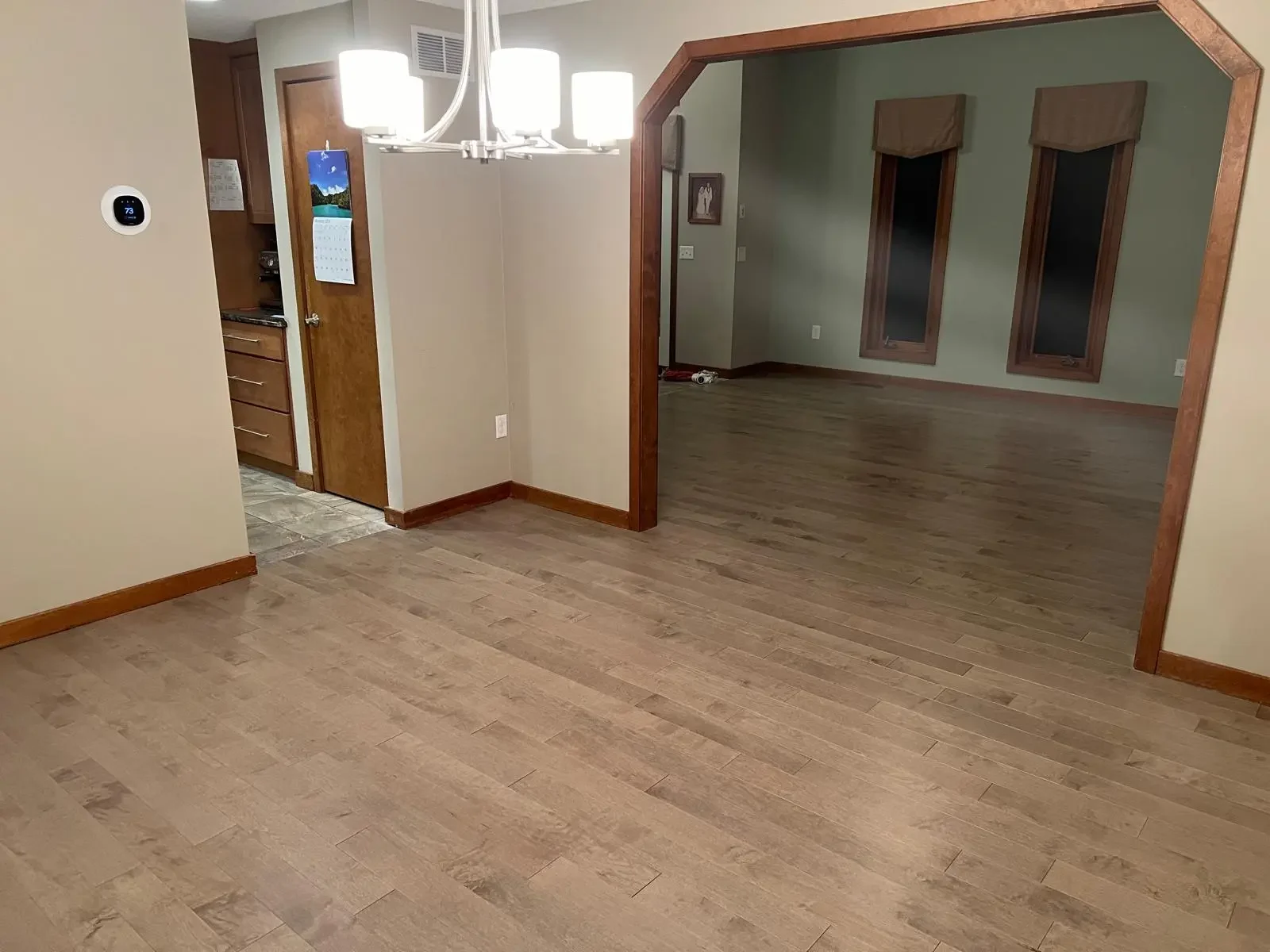
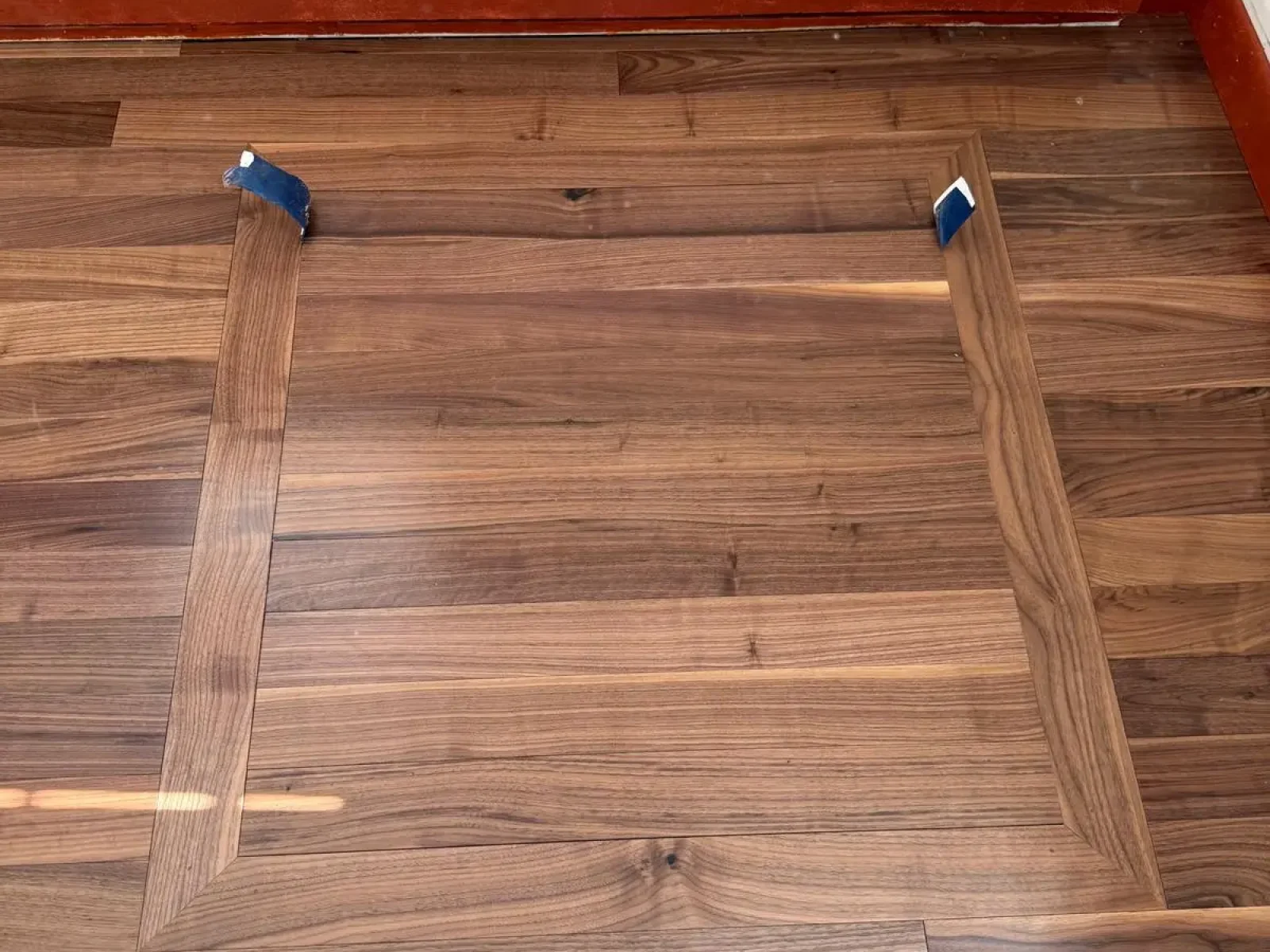
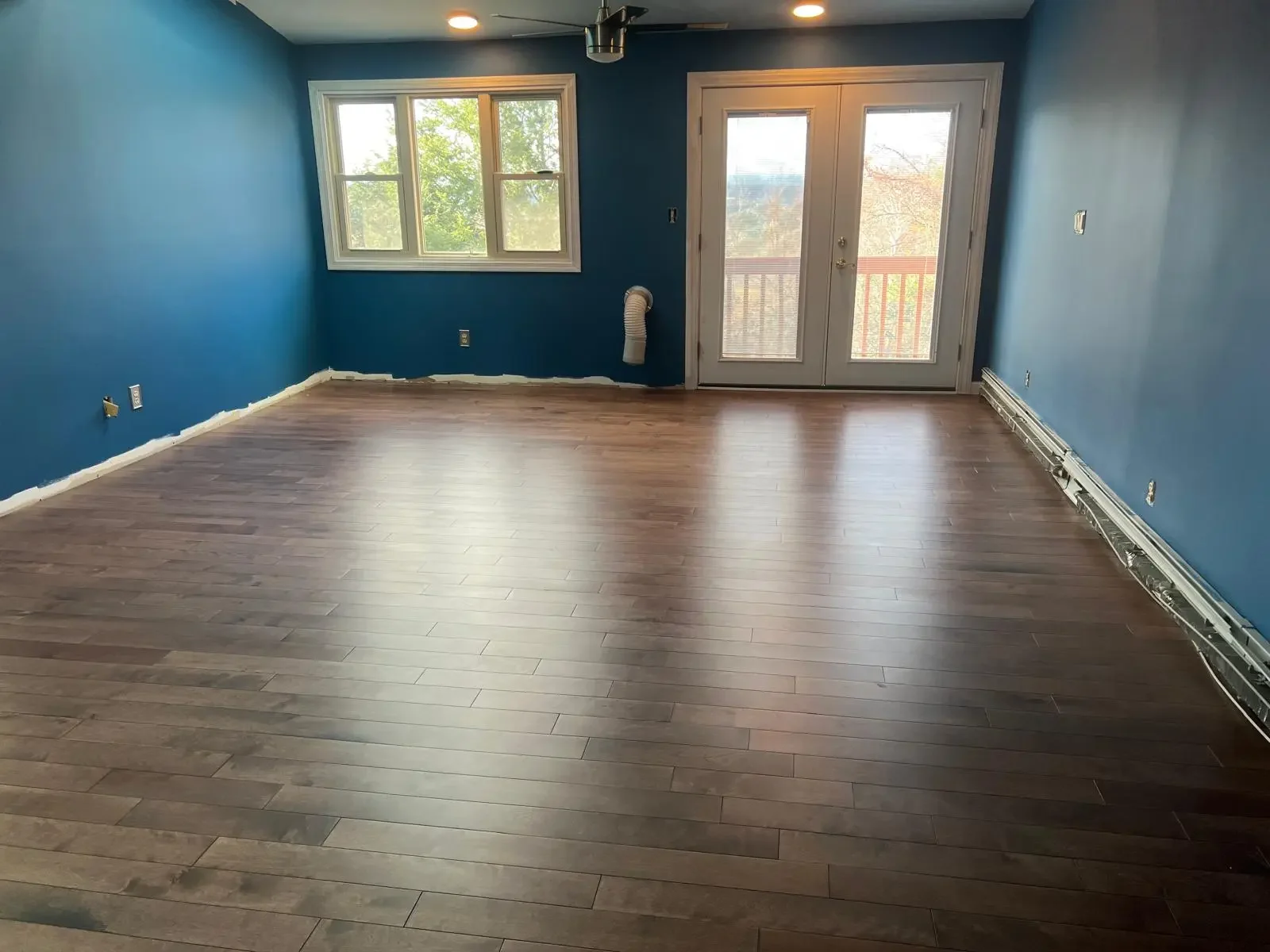
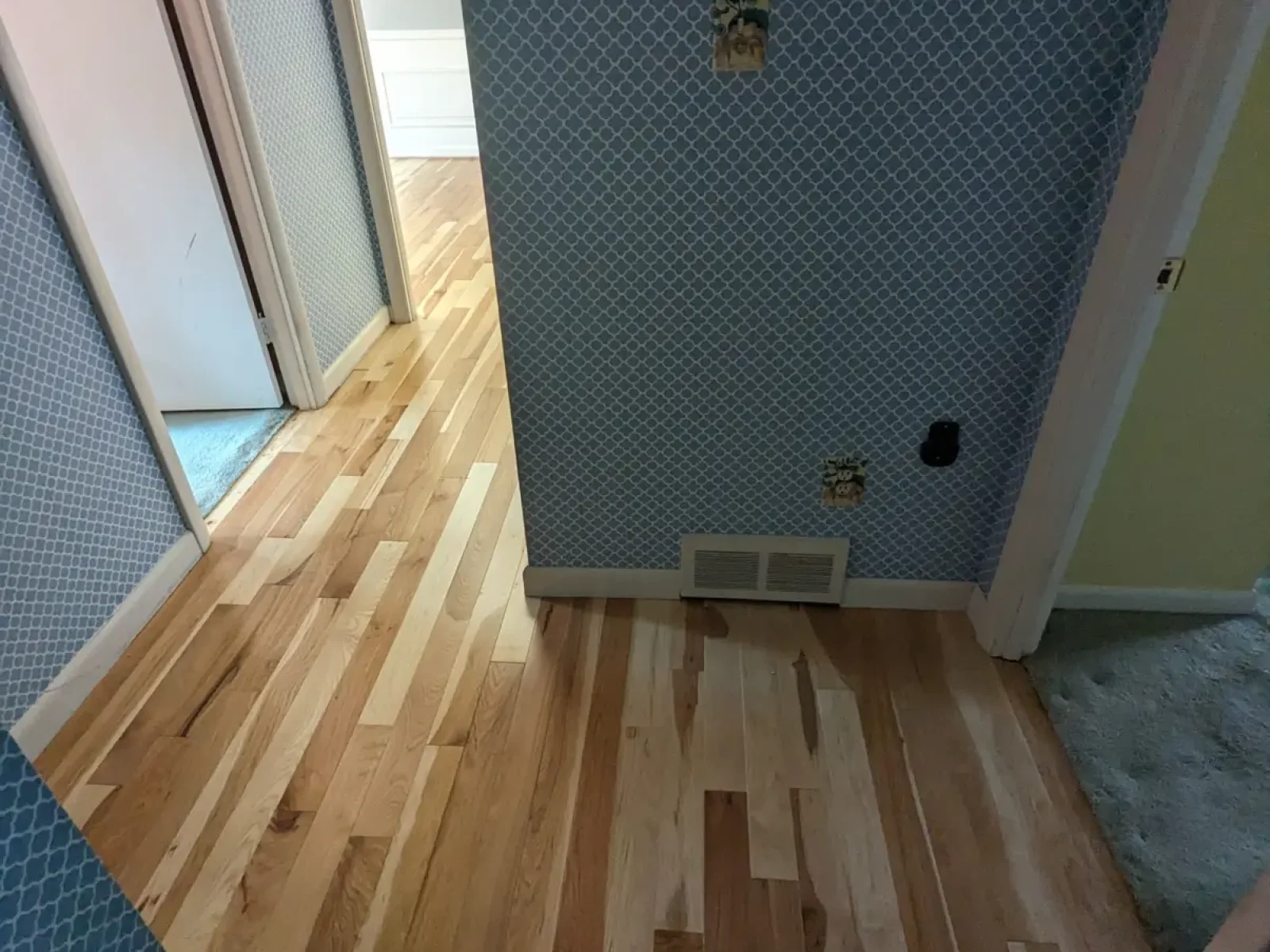
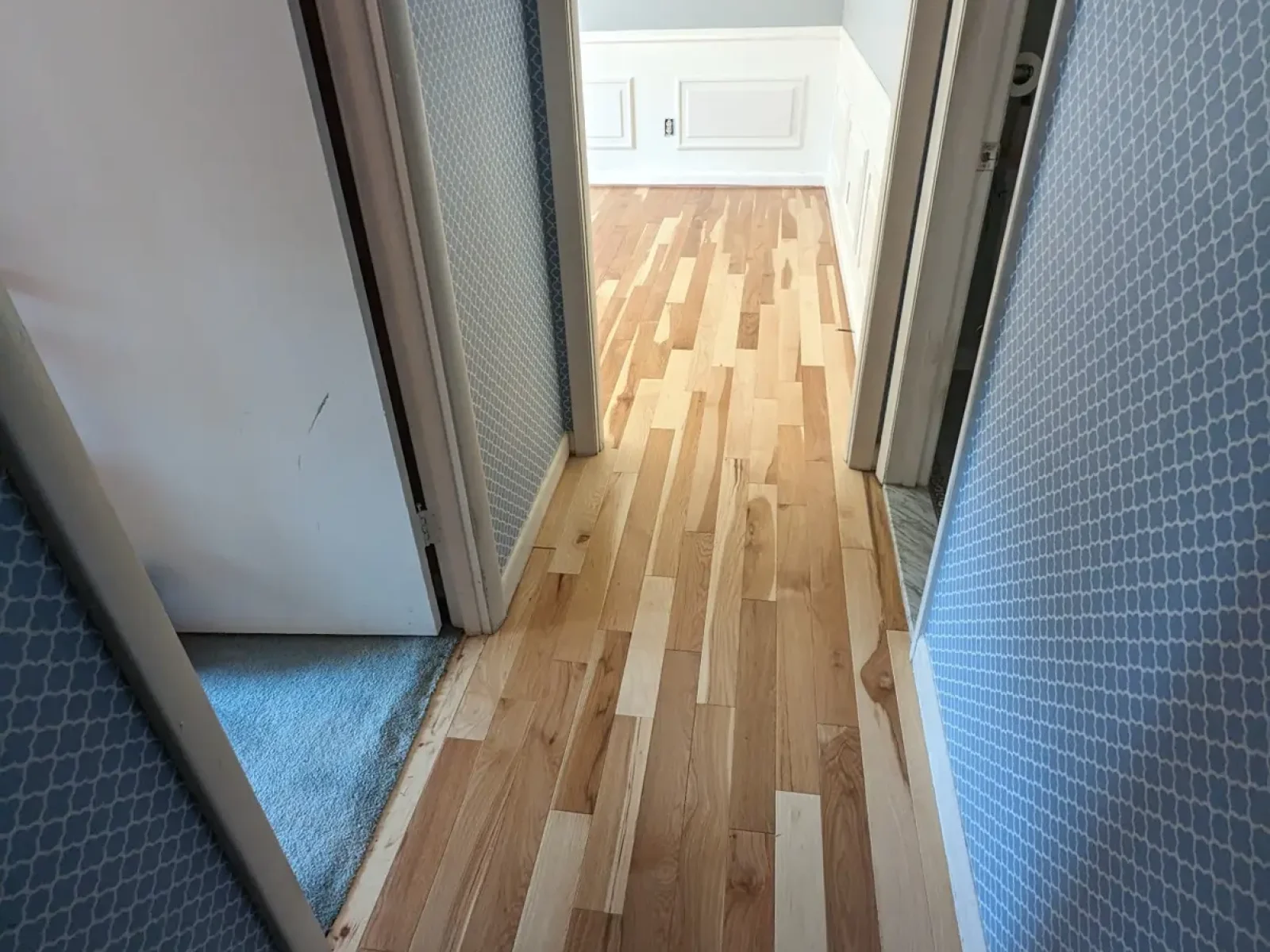
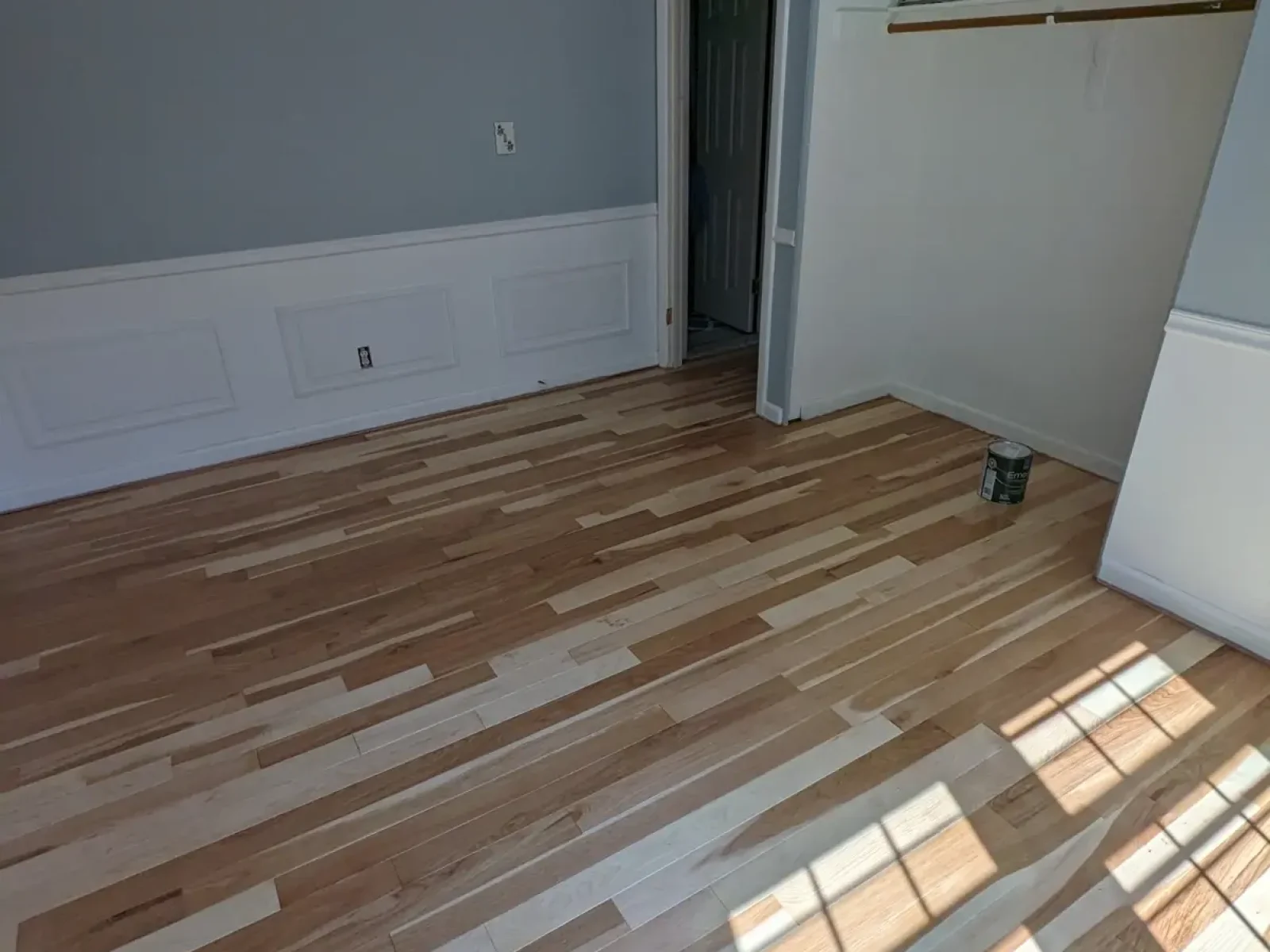
We handle both new installations and restoring existing floors.
If your current floors are scratched, worn, or outdated, refinishing can often bring them back to life without replacing everything.
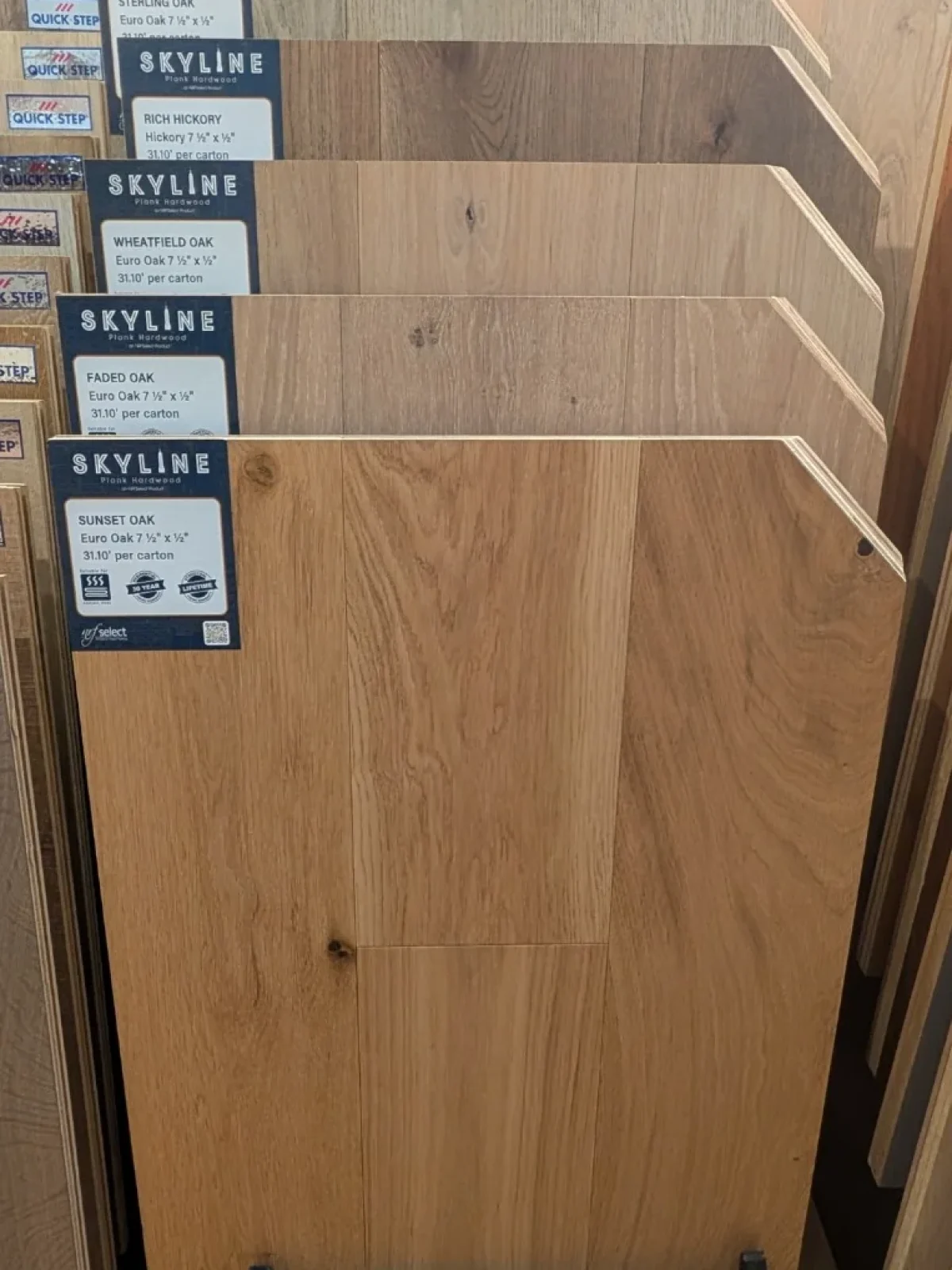
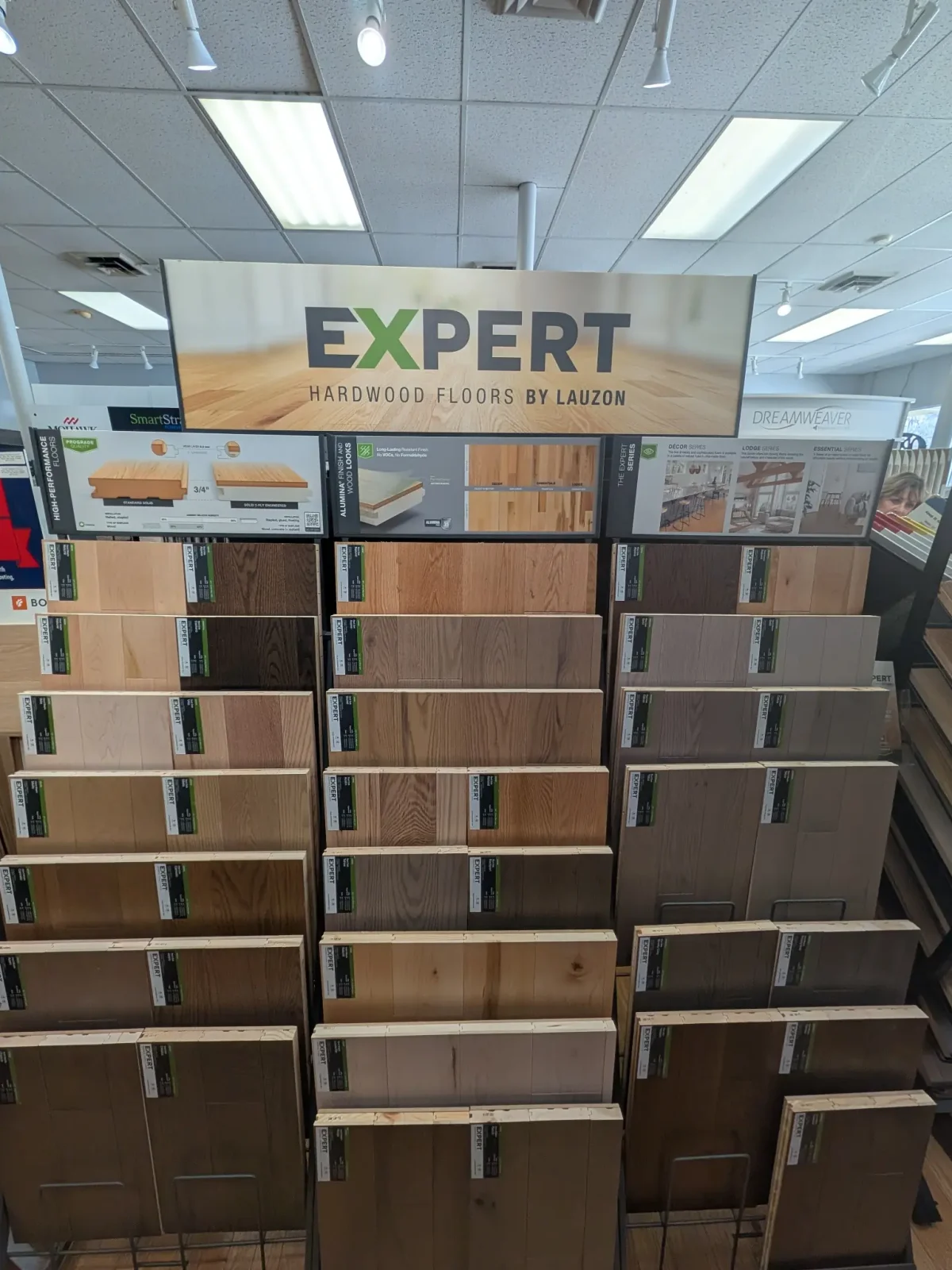
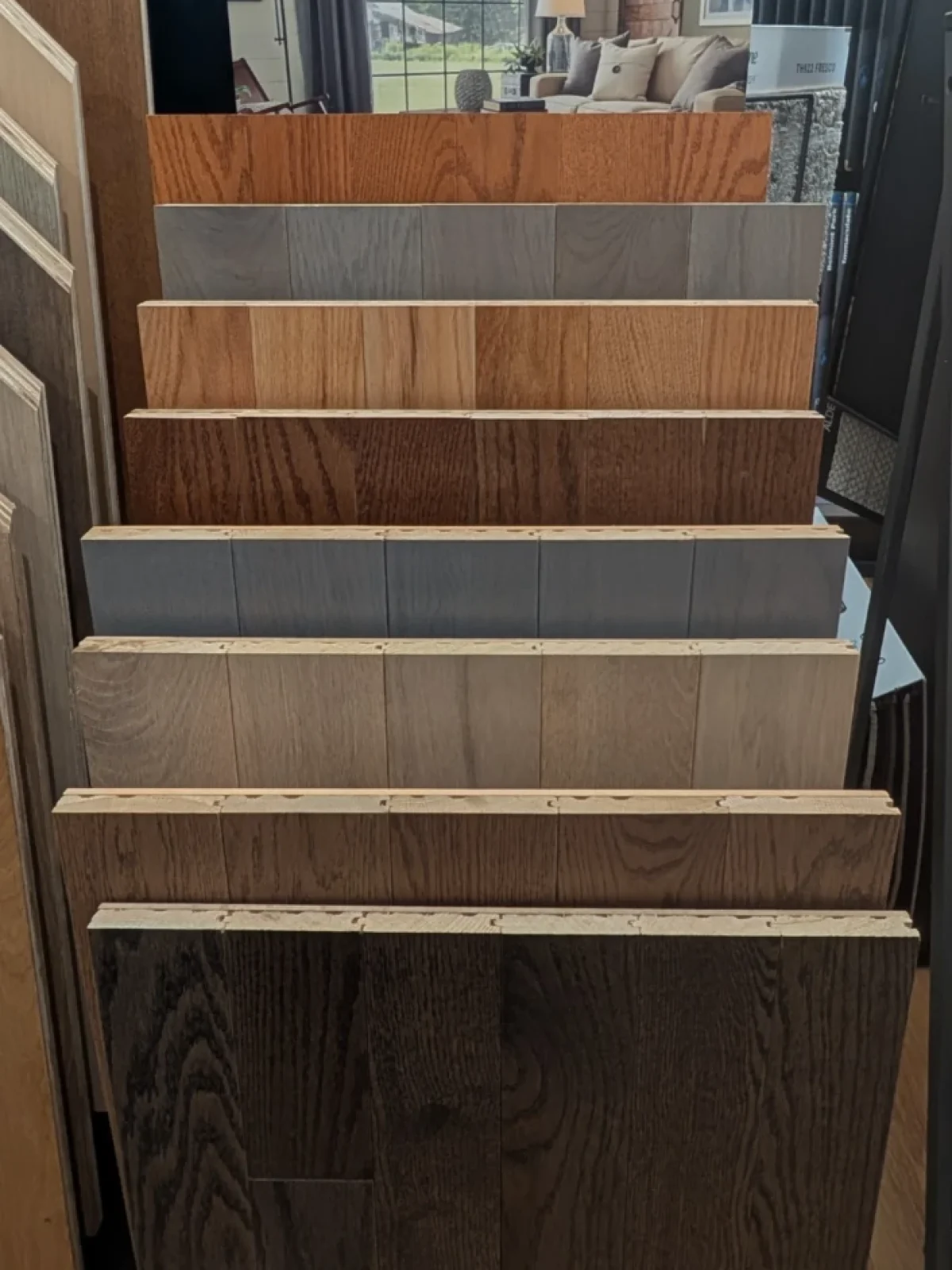
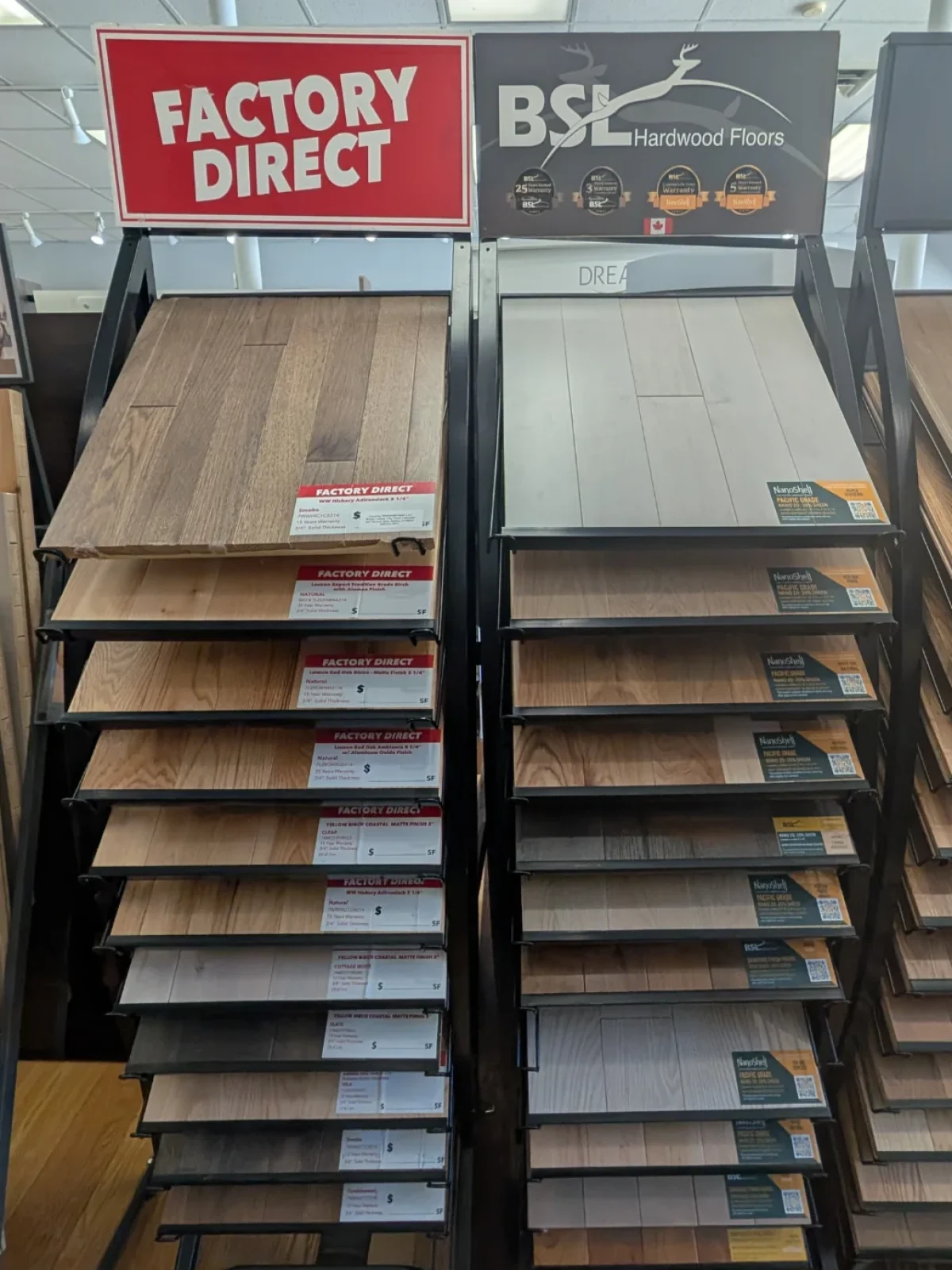
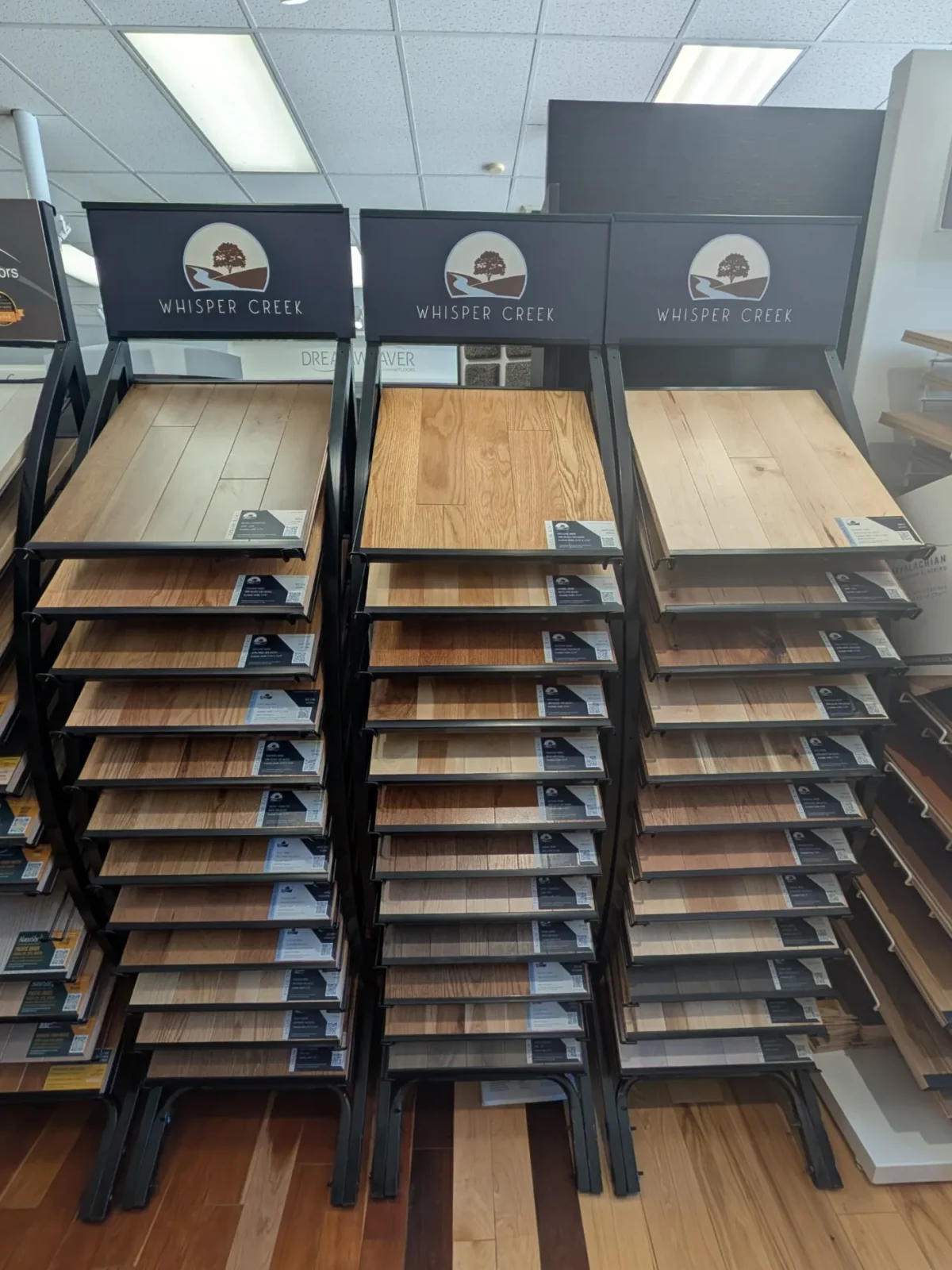
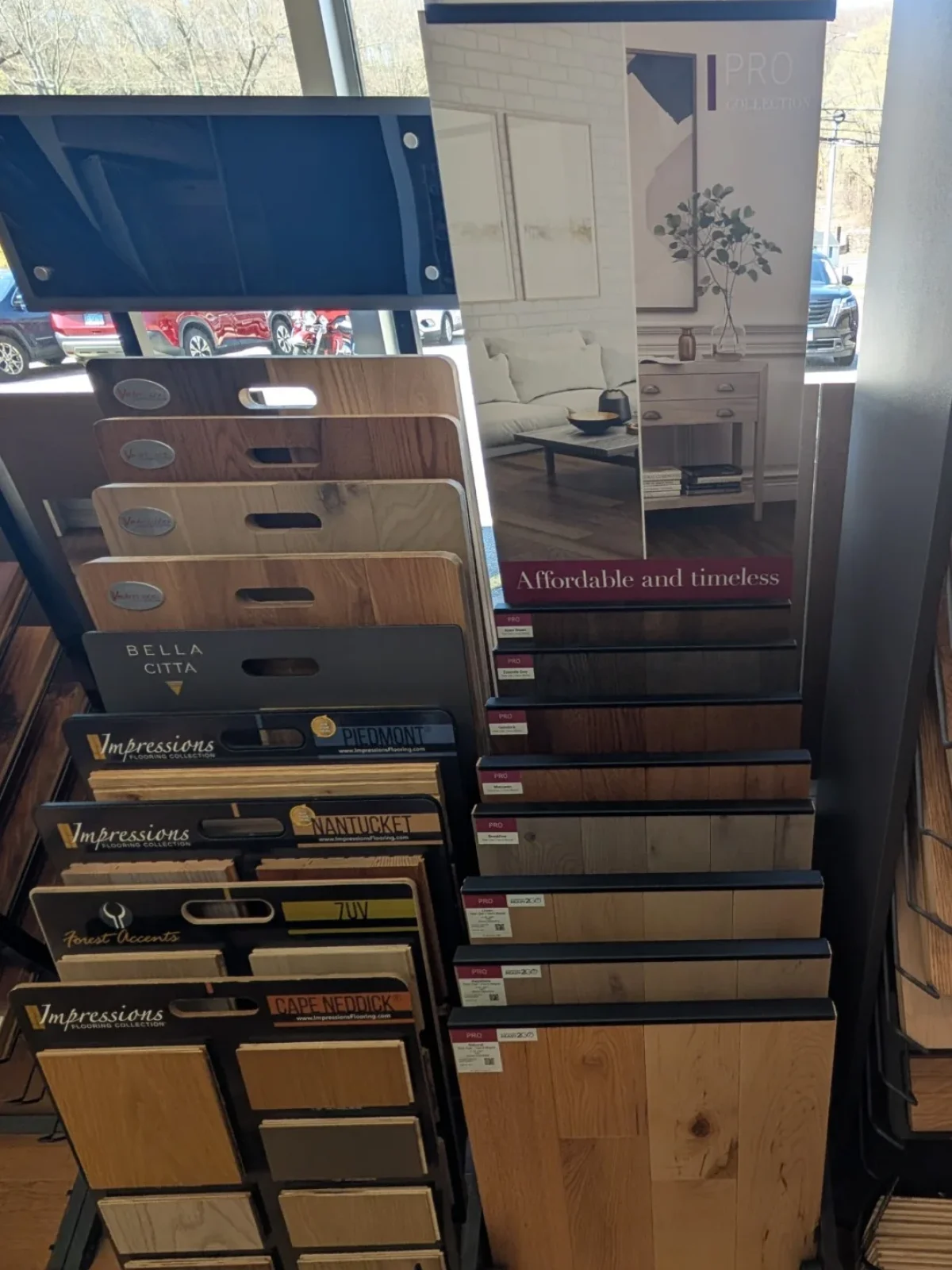
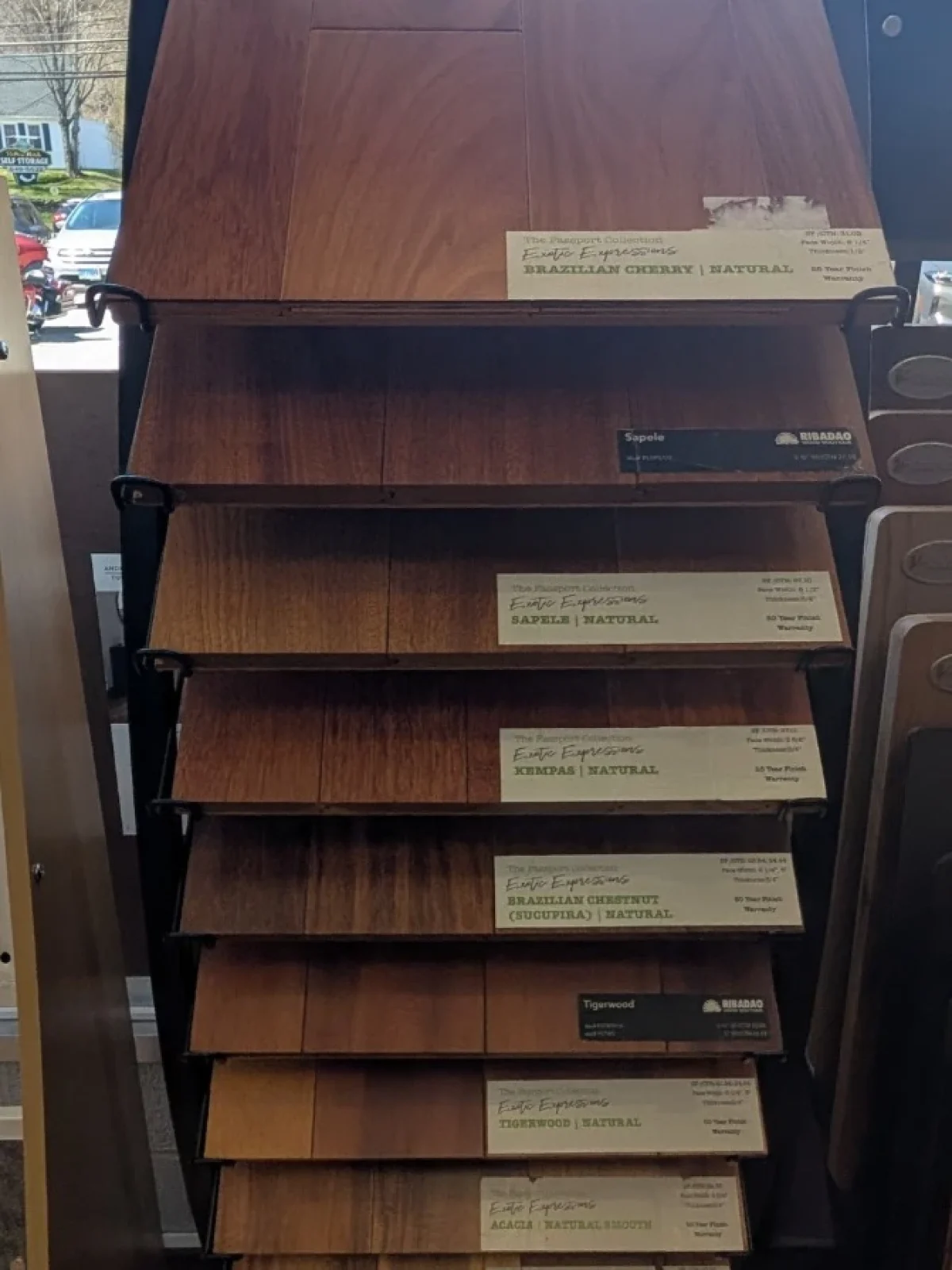
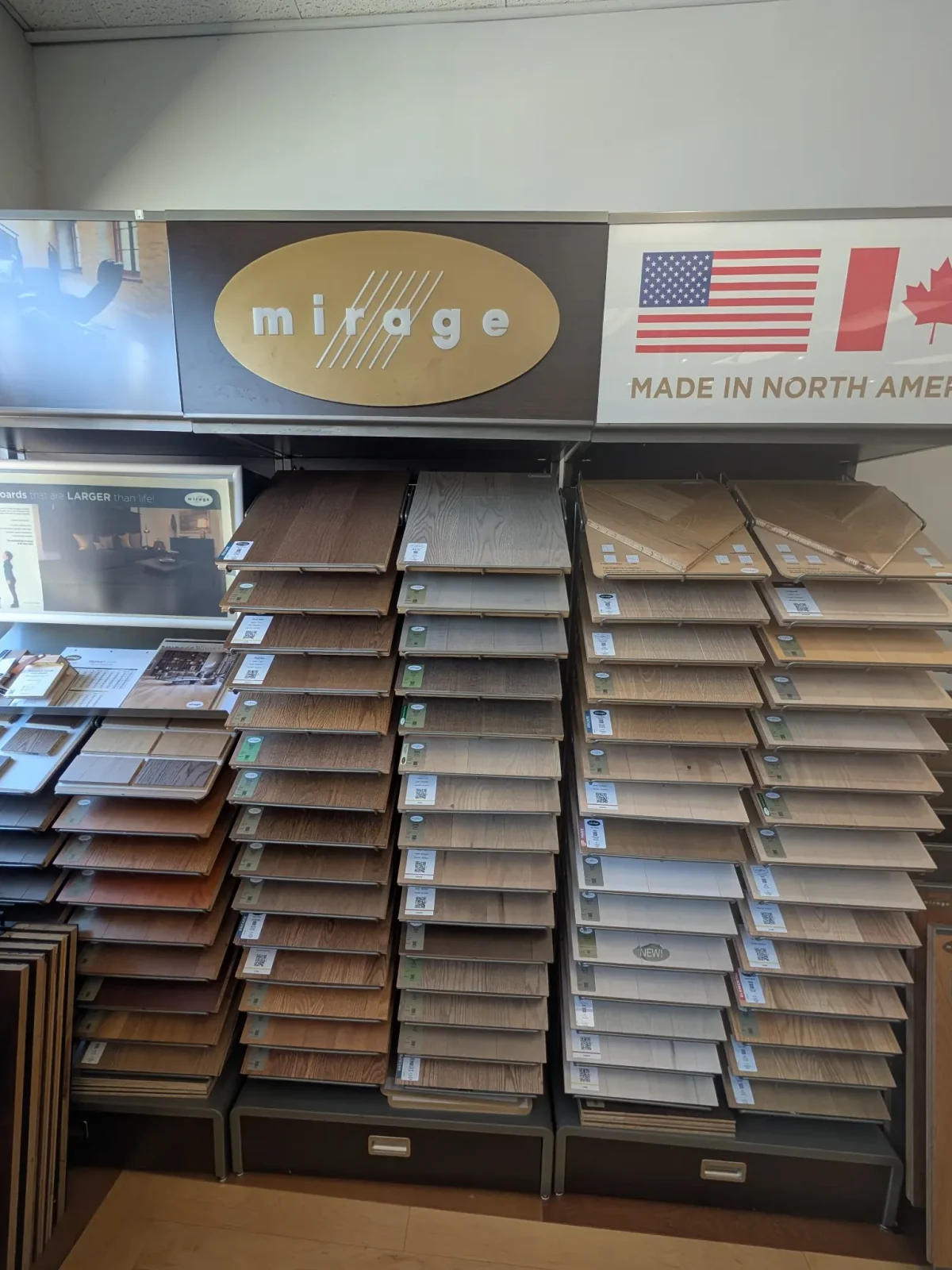
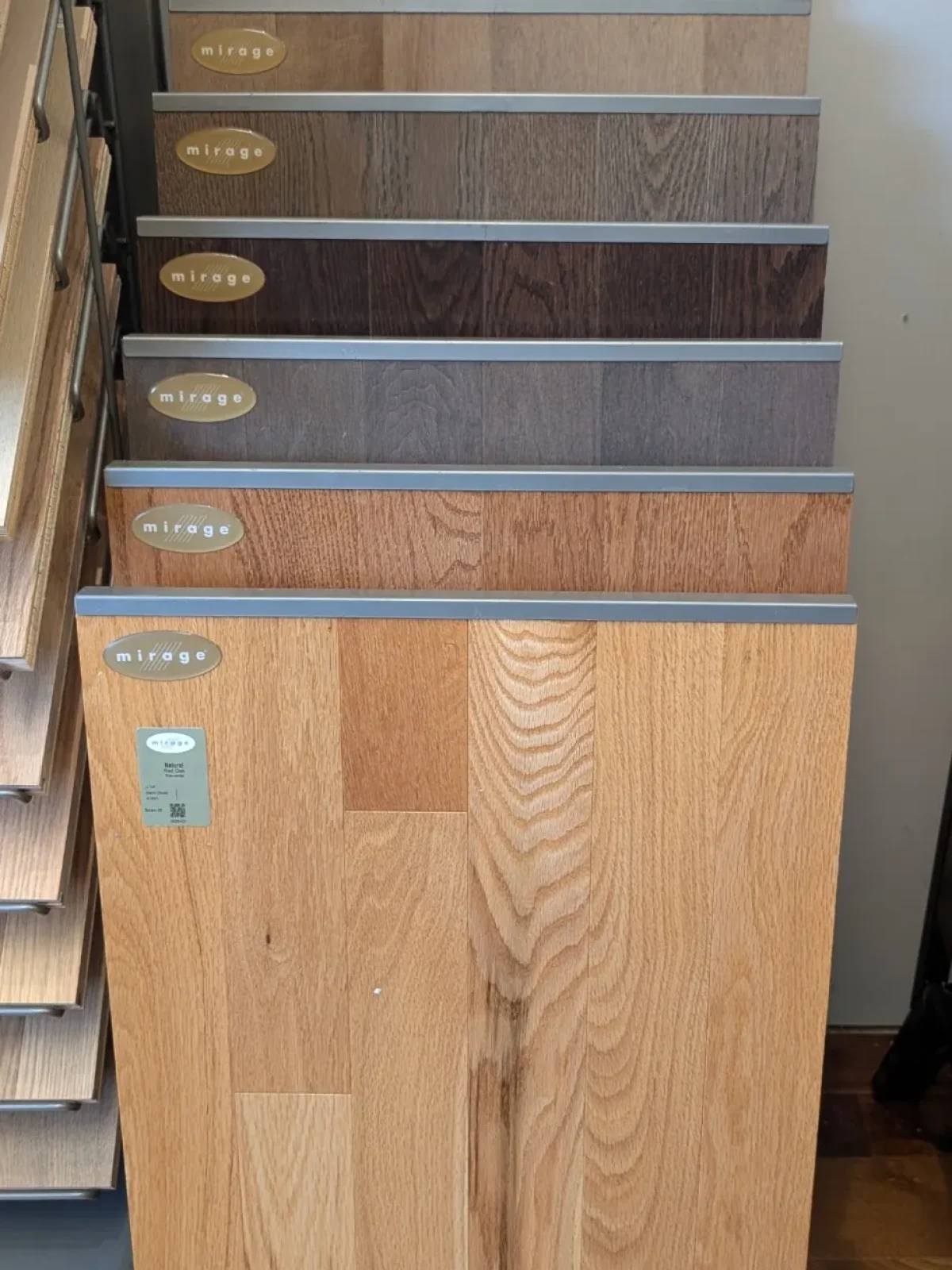
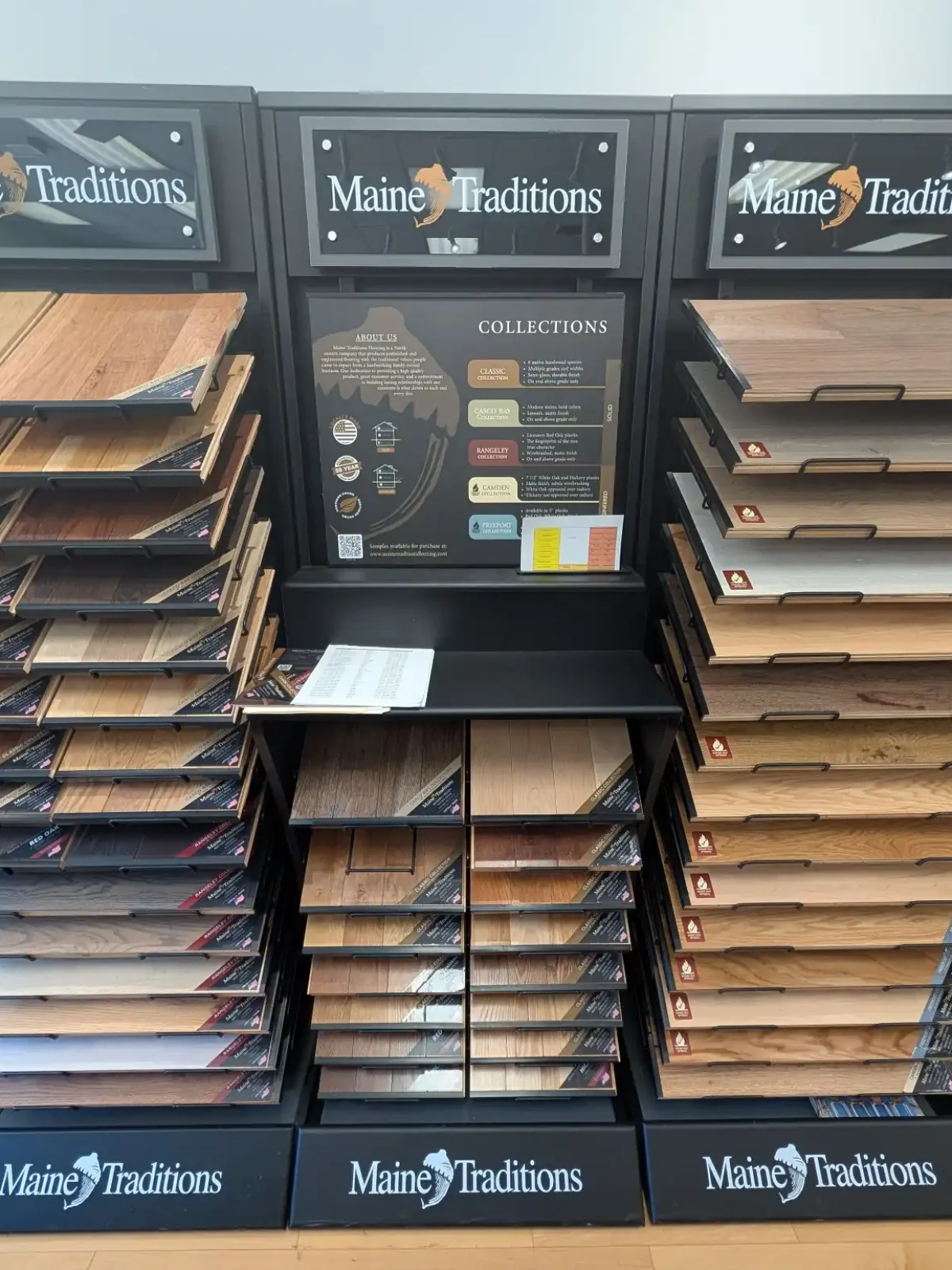
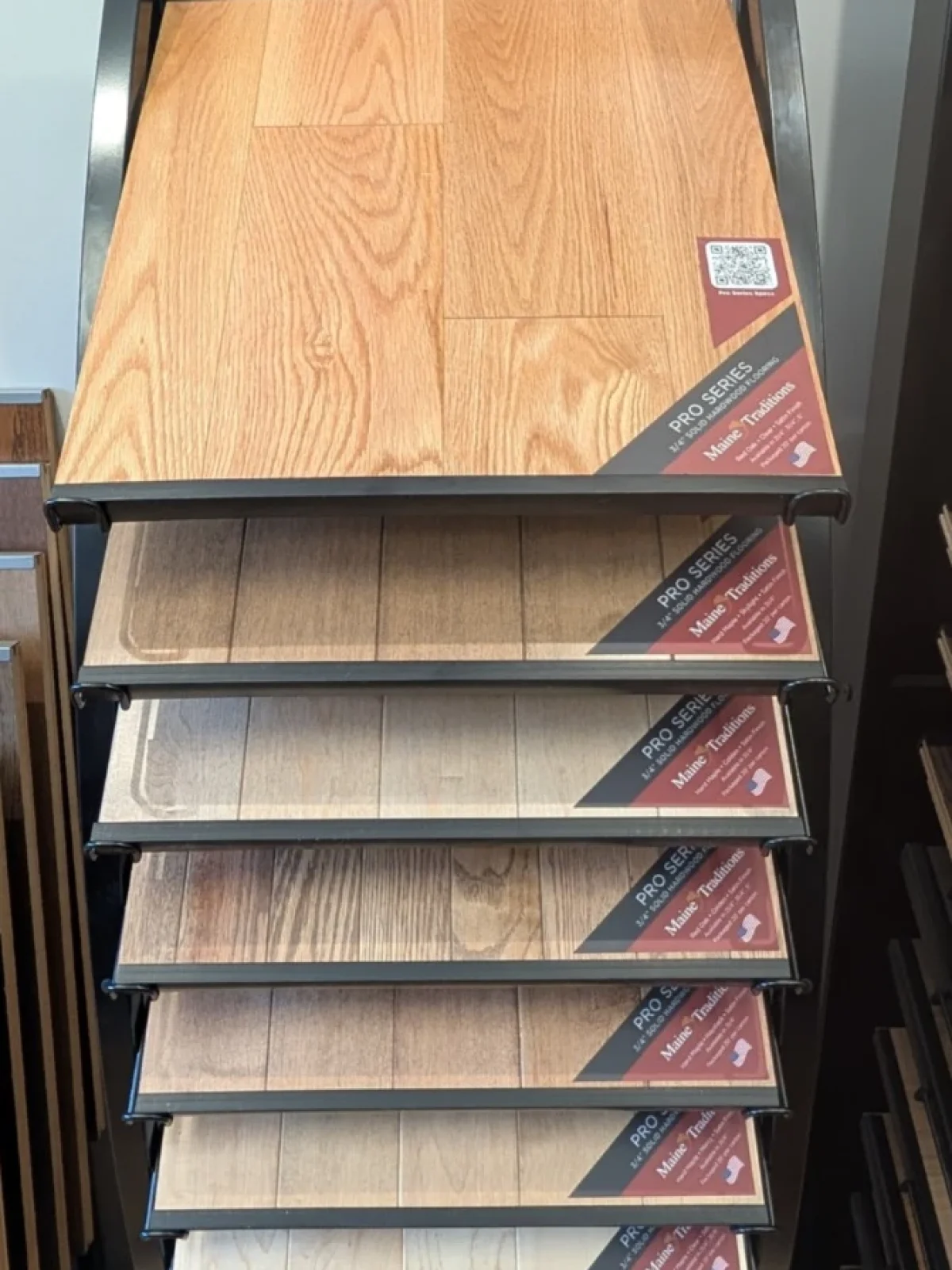
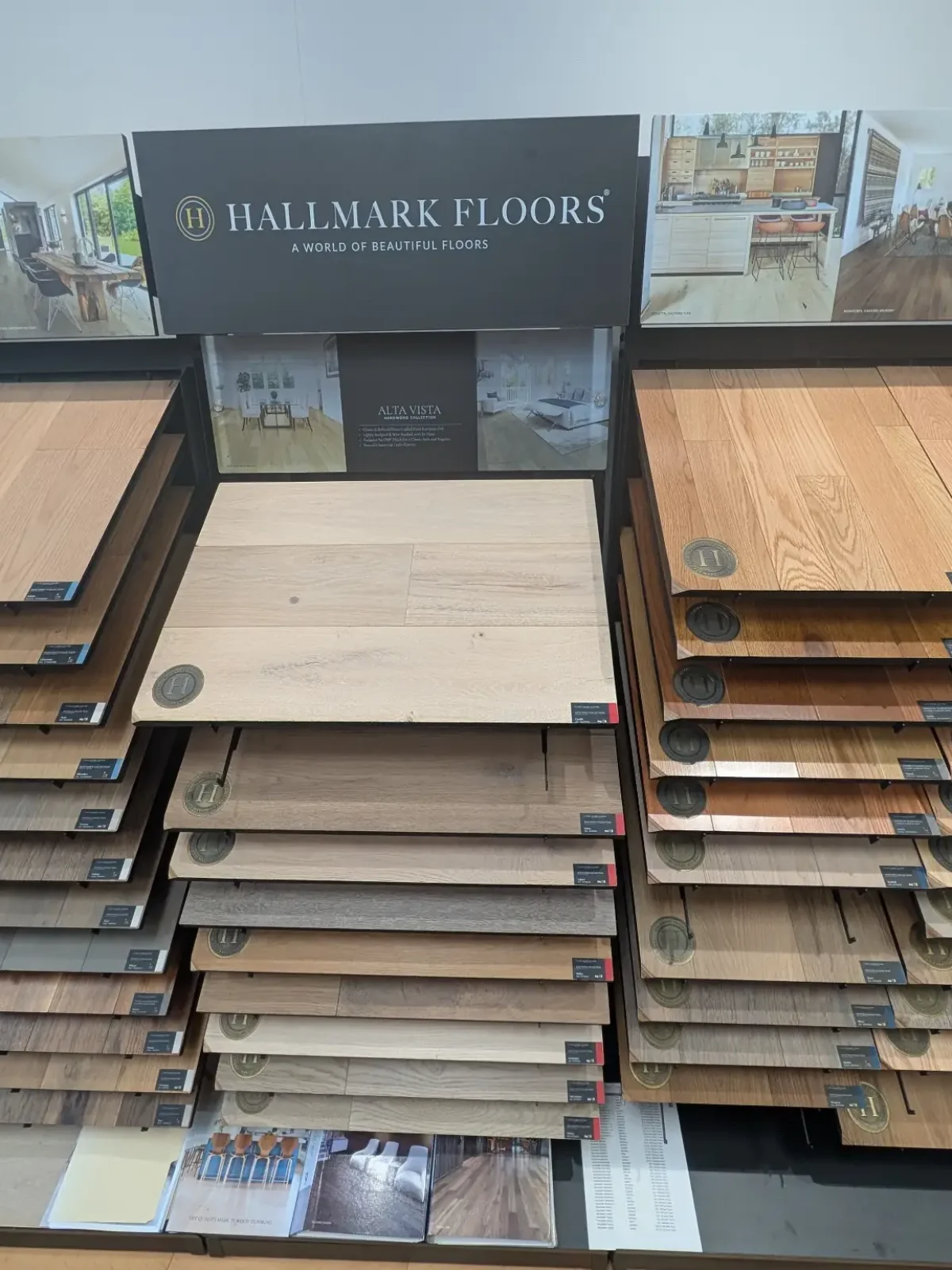
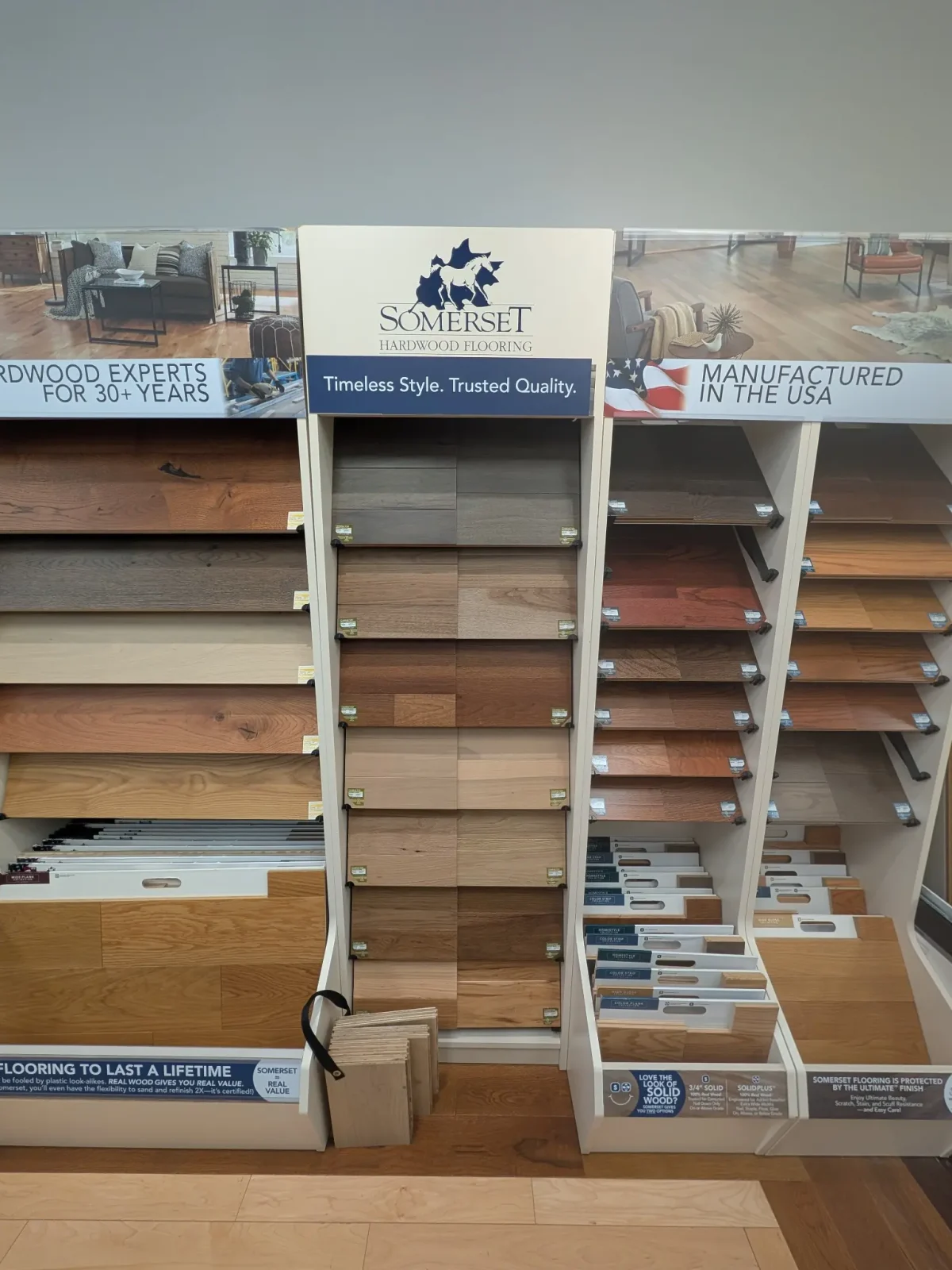
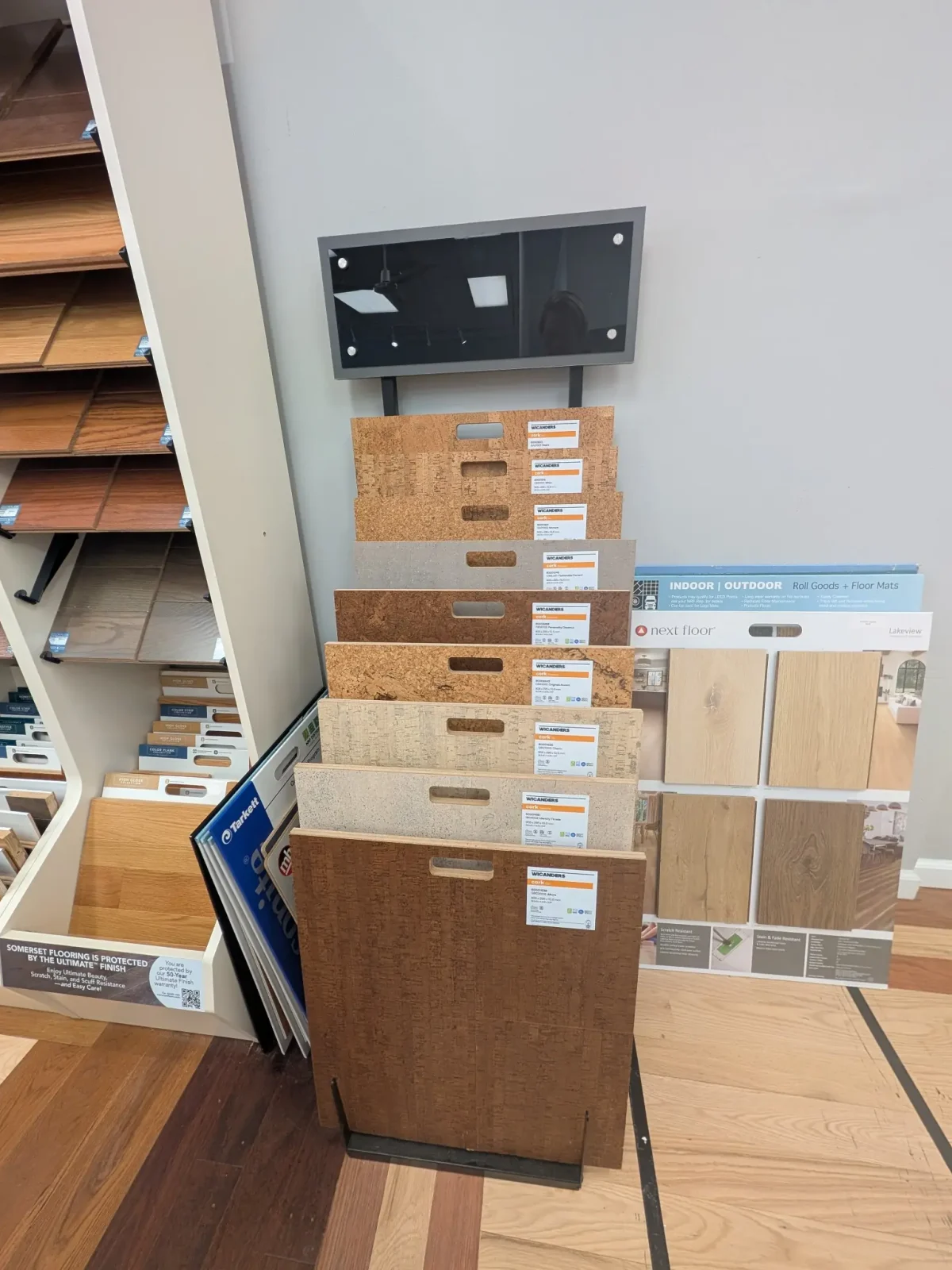
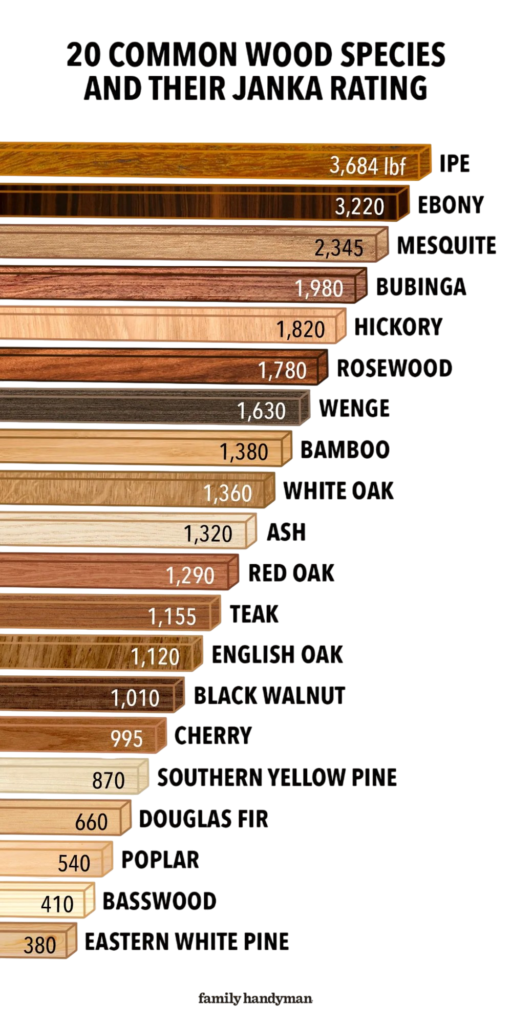
No matter the finish protecting your hardwood, you cannot change the density of wood. Many scratches in hardwood are actually dents in the material. Jenka is the hardness scale used to measure a woods ability to withstand denting. The more dense the species is or higher the number, the more durable the wood.
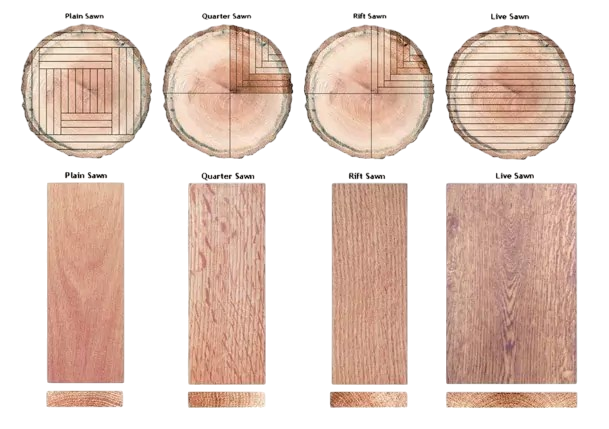
Hardwood flooring comes in different "cuts," depending how the boards are sliced from the log. These cuts affect the look, feel, and even stability of your floor.
How it’s cut: The log is cut straight across, yielding boards with a classic “cathedral” or flame-like grain pattern.
Look: This is the most common cut, with the familiar swirling patterns you see in traditional hardwood floors.
Most affordable: This method is the most efficient and creates the least waste, making it the most cost-effective option.
Classic look: Many people love the traditional appeal of the plain sawn pattern.
Considerations: Plain sawn boards can be more susceptible to changes in humidity and temperature, which could lead to some expansion or contraction.
How it’s cut: The log is first cut into quarters, and then each quarter is sawn perpendicular to the growth rings.
Look: This cut produces a linear, straight-grain pattern with a unique “flecking” or “ray” effect (especially noticeable in White Oak).
Increased stability: Quarter sawn boards are generally more stable and less prone to warping or cupping due to changes in moisture.
Durable: The tight grain structure makes them more resistant to wear and tear.
Considerations: Quarter sawn is more expensive than plain sawn because it produces more waste.
How it’s cut: Similar to quarter sawn, the log is quartered, but the boards are cut at a different angle to create a very straight and consistent grain.
Look: Rift sawn boasts a highly linear, sleek grain pattern with no prominent flecking.
Maximum stability: Rift sawn is the most dimensionally stable cut, offering the best resistance to moisture changes.
Premium aesthetic: The clean, straight lines are often desired for a formal or modern look.
Considerations: This is the most expensive cut due to the more complex sawing process and greater waste.
How it’s cut: The log is cut straight through without rotating it, creating wide boards that display a mix of all three cuts: plain, quarter, and rift sawn.
Look: Live sawn boards showcase the full character of the log, including a variety of grain patterns and sometimes the natural heartwood and sapwood.
Unique appearance: This cut offers a natural and rustic look, perfect for wide plank flooring.
Good stability: Due to the presence of quarter sawn grain, live sawn boards offer better stability than plain sawn.
Environmentally friendly: This method uses the most of the log, making it a sustainable choice.
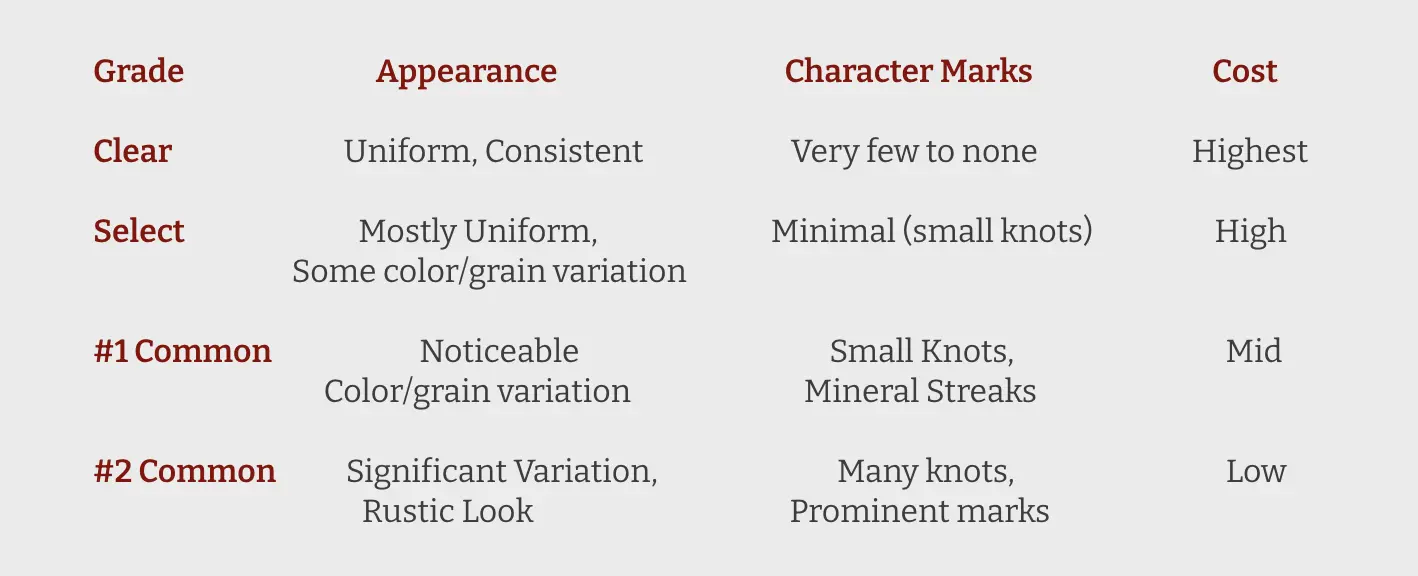
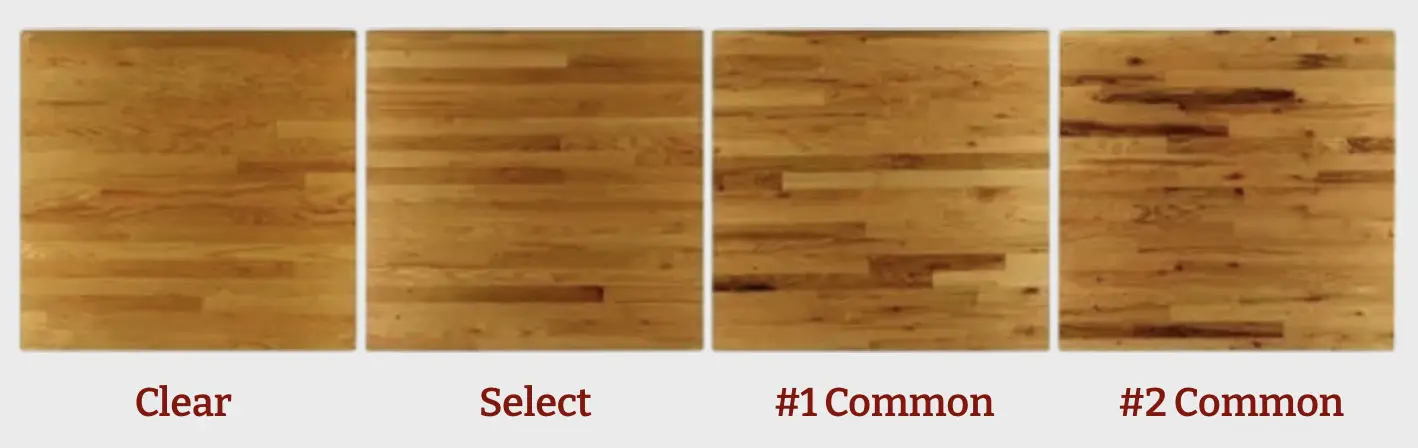
Choosing the right hardwood floor is exciting, and understanding wood grades helps you pick the perfect look! Hardwood floor grades are based on the appearance of the wood, not its quality or durability.
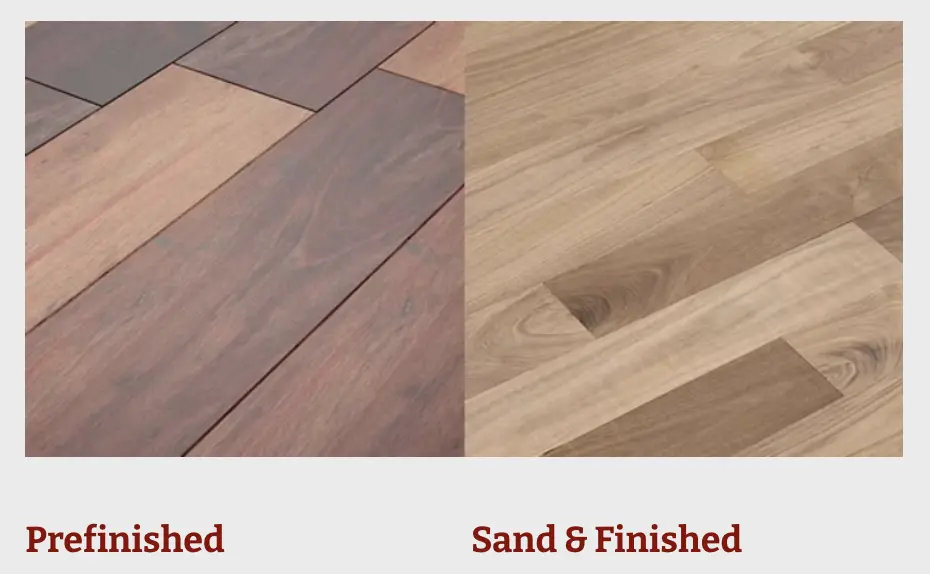
Prefinished hardwood comes with a factory-applied finish, making it ready to install as soon as it arrives. This option offers faster installation, a consistent finish, and less on-site work or mess. Many prefinished floors include slight bevels or grooves between planks, allowing for minor subfloor inconsistencies.
While we take great care during installation, it’s important to note that prefinished boards are installed as-is, so minor marks or imperfections can occasionally occur in the process.
Unfinished hardwood (Sanded & Finished On-Site) is installed in its raw state, then sanded and finished on-site. This method allows for full customization of stain color and sheen, and it’s ideal for achieving a smooth, seamless look—especially in large or open spaces.
However, this option does require more time and labor, as finishing is done after installation, often over several days.
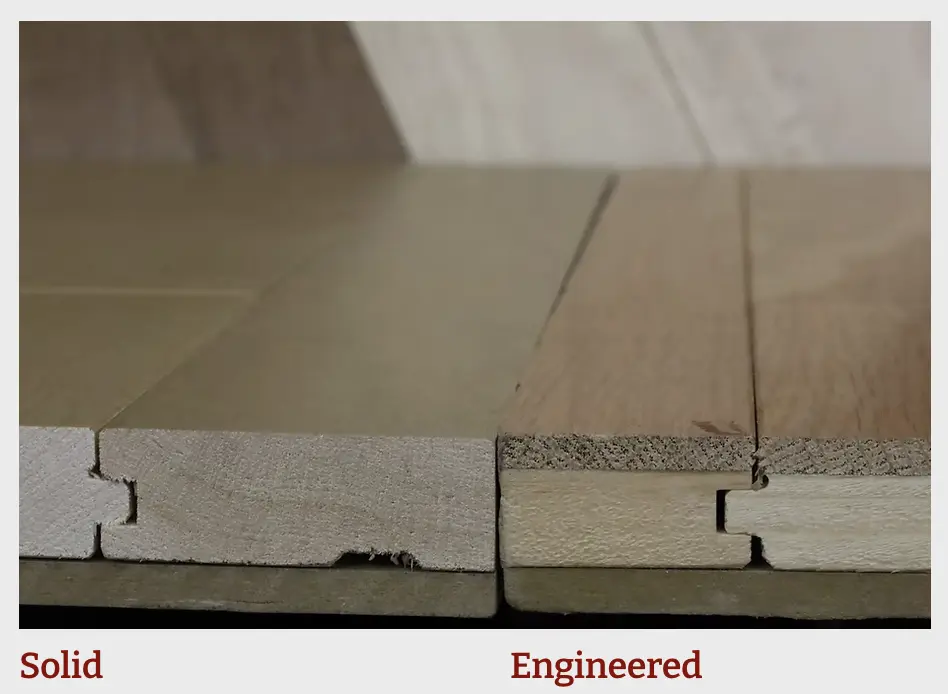
Engineered hardwood is constructed from multiple layers of wood with a hardwood veneer on top, making it more stable and resistant to moisture and temperature fluctuations. It offers flexible installation options and can be used in areas like basements or kitchens. While it can only be sanded and refinished a limited number of times due to its thinner veneer, higher-quality engineered wood options, like Lauzon, provide wear layers similar to traditional hardwood floors. Contrary to common belief, high-quality engineered hardwood can be just as expensive, if not more so, than solid hardwood.
Solid Hardwood is composed of a single piece of wood, solid hardwood offers a timeless, natural look and can be sanded and refinished multiple times over its lifespan. It is more sensitive to changes in humidity and temperature, making it better suited for climate-controlled environments. Solid hardwood is generally more expensive and requires a more involved installation process.
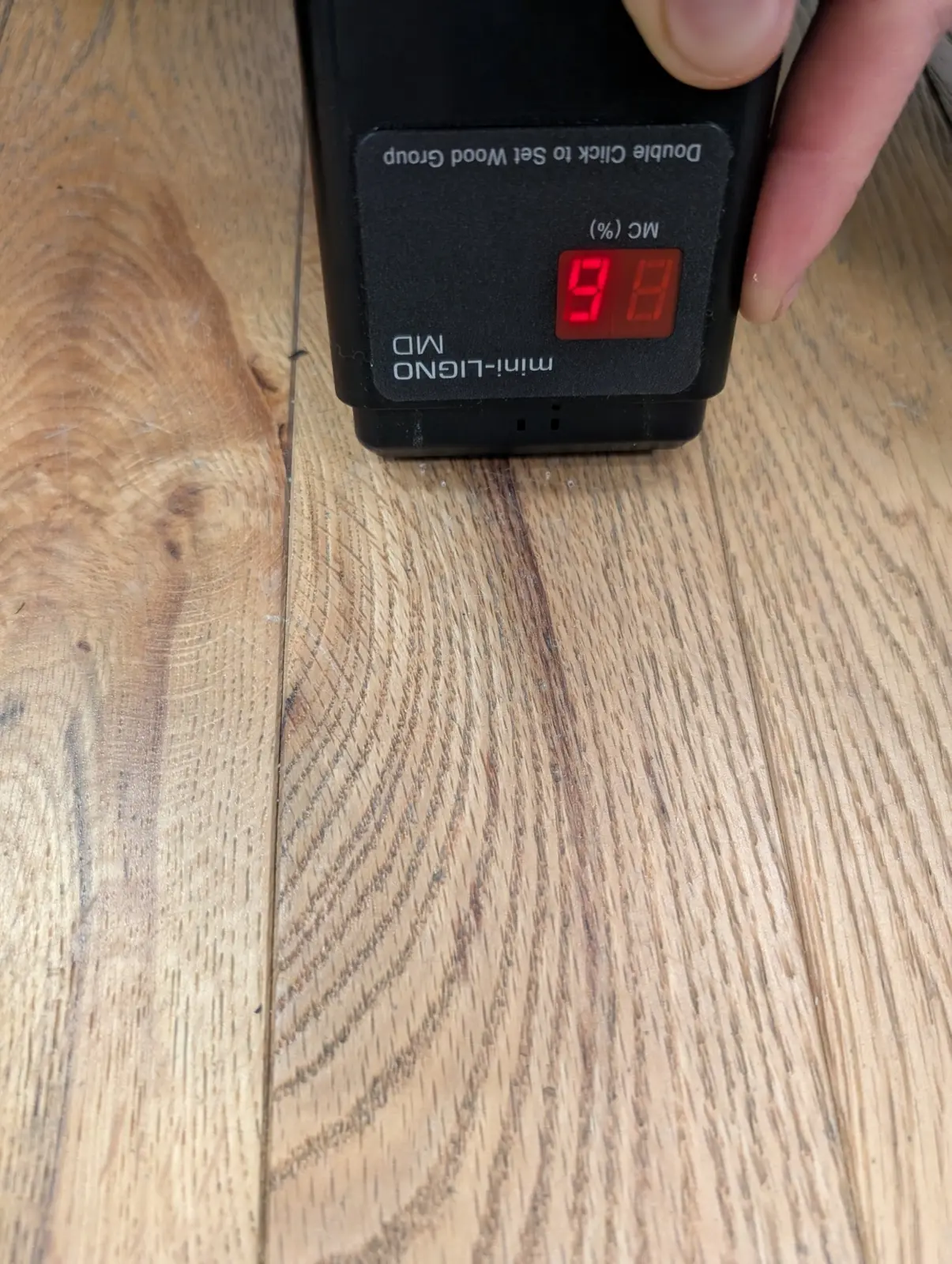
We keep the process straightforward and organized so you always know what’s happening and what to expect at each stage of the project.
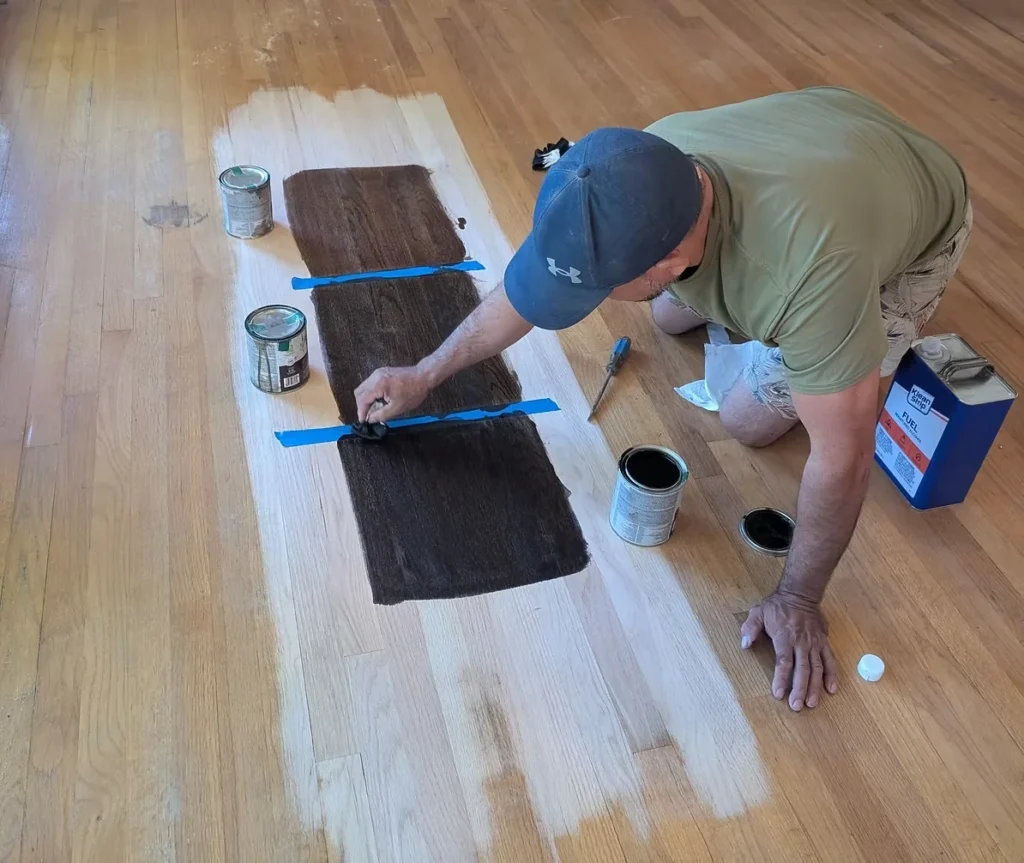
Hardwood is our main focus, and it’s something we’ve been doing for over 20 years.
We focus on doing the job properly so your floors look right and last.
We work throughout Bolton and across Hartford County and surrounding Connecticut areas, handling everything from single-room projects to full-home installations and refinishing.
We regularly work in:
If you’re nearby, we’re happy to come out, take a look at your space, and help you figure out the right approach.
It depends on the type of wood, installation method, and prep work involved. We’ll give you a clear estimate upfront.
In many cases, yes. Refinishing is often the better option if the structure of the floor is still in good shape.
It depends on the space. We’ll help you choose based on moisture levels, usage, and long-term durability.
Most projects take a few days, depending on the size of the space and the type of flooring.
EXCELLENTTrustindex verifies that the original source of the review is Google. I couldn’t be happier with the work Amazing Hardwood Floors LLC did on the 2,200 sq ft of original wood flooring in my 1918 home in Windsor, CT. Brennan, Nate, and their crew treated the project with true craftsmanship and respect for the age and character of the house. They restored floors that were worn, uneven, and tired, and brought them back to life in a way I didn’t think was possible. Their communication was excellent, their timeline was accurate, and the pride they take in their work shows in every room. The transformation is stunning. If you want a team that delivers exceptional quality and genuinely cares about the outcome, this is the company to hire.Posted onTrustindex verifies that the original source of the review is Google. I’ve had experiences with 4 flooring companies in my career as a restaurant owner. AHF was in a league of its own! The whole staff was enthusiastic, polite and very good at what they do. It was a large job done after hours which is priceless, they wanted to work within my schedule. They earned my loyalty and are getting another phone call soon for another project. Lastly the job was to remove ceramic tiles and replace them, a large square foot area, all done in two nights! The restaurant never missed a beat. I HIGHLY RECOMMEND them to any and all that are looking for a terrific experience.Posted onTrustindex verifies that the original source of the review is Google. Amazing Floors did a great job for us. We enjoyed dealing with Mike and his crew and we couldn’t be happier. I highly recommend using this company.Posted onTrustindex verifies that the original source of the review is Google. Great job done in a short amount of time.Posted onTrustindex verifies that the original source of the review is Google. We had AHF come to refinish our 100-year-old hardwood floors as well as install new carpeting and stair runners. I can't say enough good things about the ease of the process and quality of the work performed. They worked with us the whole way to make sure things were done well, done right, and within budget. Highly recommend.Posted onTrustindex verifies that the original source of the review is Google. We are so thankfulPosted onTrustindex verifies that the original source of the review is Google. Brennan did a great job. He came out and was professional and very knowledgeable. They did a great job blending old floor to new floor. I would recommend them to anyonePosted onTrustindex verifies that the original source of the review is Google. I had my kitchen and dining room floors refinished and they did a great job. They were very reasonably priced with professional crews and a responsive salesman, Jeff. I will be using them again in the future.Posted onTrustindex verifies that the original source of the review is Google. Amazing Hardwood was fantastic to work with. Brennan was thorough & nimble & able to accommodate some really unique circumstances as we removed the existing flooring. He offered several options, and I relied on his expertise greatly as we scoped out the project. Truly a collaborative decision and it ended up with a fantastic install that I couldn’t be happier with! The install team, led by Dominic, was also incredibly polite & efficient and thorough in making sure I got a quality install job that accommodated some of the unique demands of a house that had been thoroughly DIY’d in the past. These guys are great! Can’t recommend them highly enough!
If you’re planning a hardwood flooring project or just exploring your options, we’re happy to help.
Contact us and we’ll walk you through your choices and help you find the right solution for your space.